



Fitcart Editorial Team Ritu Makhija.
When the world watches the FIFA World Cup, fans see breathtaking goals, explosive sprints, and moments of brilliance that define football history. What they don’t see is the months—and often years—of preparation that allow elite athletes to perform at the highest level under immense physical and mental pressure.
In modern football, talent alone is no longer enough. The difference between winning and losing often comes down to one critical factor: recovery.
Today’s elite footballers and national teams invest heavily in strength training, nutrition, recovery protocols, and sports science to gain a competitive advantage. As teams prepare for the FIFA World Cup 2026, these performance strategies are more important than ever.
The New Competitive Advantage: Recovery
Tournament football is unlike any other competition. Players may have only three to four days between high-intensity matches while covering 10–13 kilometers per game, performing repeated sprints, tackles, jumps, and changes of direction.
This is why sports scientists often say:
“The team that recovers fastest gains the greatest advantage.”
Modern recovery focuses on three pillars:
1. Replenish Energy Stores
Football is heavily dependent on glycogen, the body’s stored form of carbohydrates.
After matches, players consume carbohydrate-rich meals and recovery shakes to restore glycogen levels quickly. This helps maintain energy and performance throughout a demanding tournament schedule.
2. Repair Muscle Damage
High-intensity sprinting and repeated acceleration create microscopic muscle damage.
Elite athletes prioritize high-quality protein intake immediately after training and matches to support muscle repair and adaptation. Many teams use protein shakes, recovery drinks, and carefully designed meal plans to accelerate recovery.
3. Rehydrate Efficiently
Even mild dehydration can negatively impact performance, concentration, and decision-making.
Teams closely monitor hydration status and use electrolyte-rich beverages to replace fluids and minerals lost through sweat, especially when competing in warm climates.
Why Strength Training Matters More Than Ever
Gone are the days when footballers relied solely on endurance training.
Modern football requires players to be explosive, resilient, and powerful.
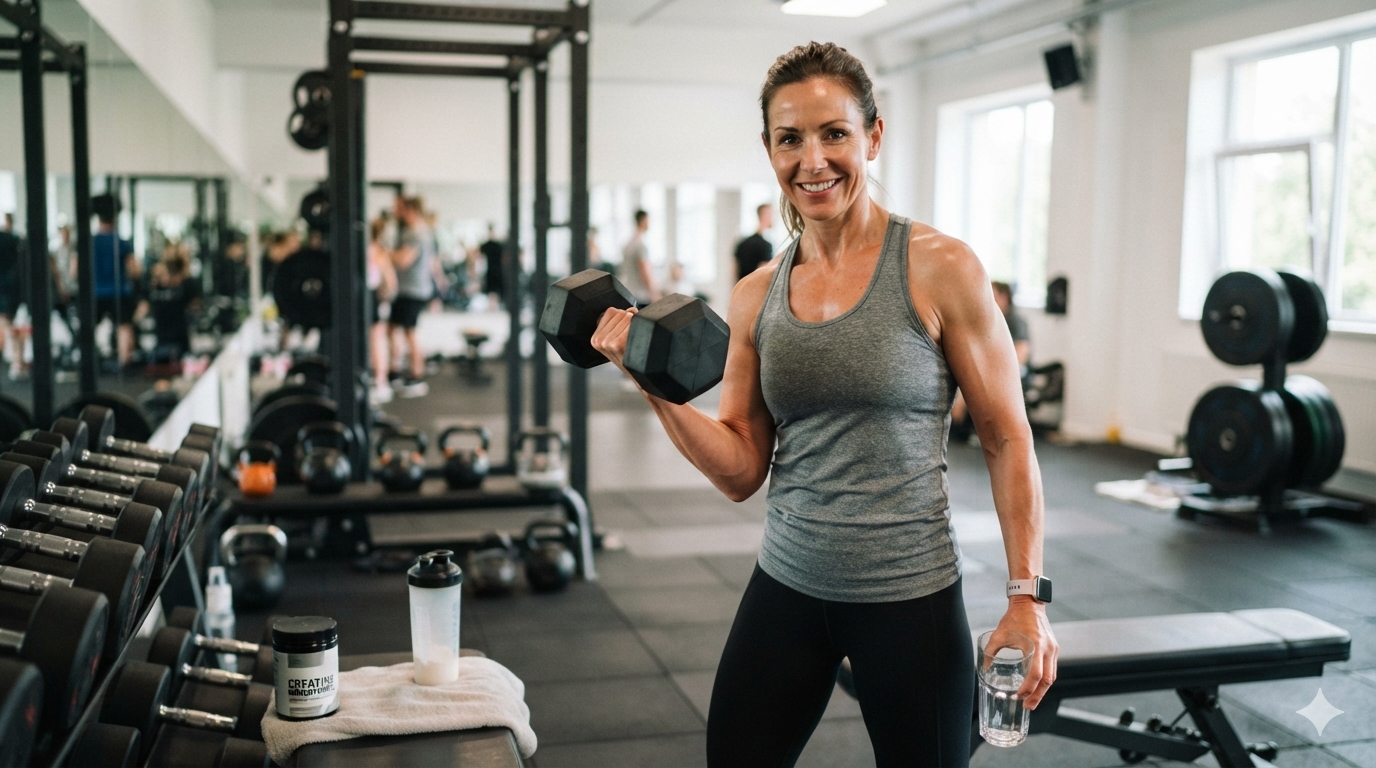
Strength training is now a cornerstone of elite football preparation because it helps athletes:
- Sprint faster
- Jump higher
- Improve agility
- Reduce injury risk
- Recover more efficiently
Lower Body Strength
Strong legs generate explosive acceleration and help players maintain power throughout a match.
Common exercises include:
- Squats
- Romanian deadlifts
- Split squats
- Lunges
- Step-ups
Hamstring Injury Prevention
Hamstring injuries remain one of the most common injuries in football.
To combat this, elite teams regularly incorporate:
- Nordic hamstring curls
- Eccentric strength exercises
- Sprint mechanics training
These exercises strengthen muscles during the lengthening phase, which is critical for injury prevention during high-speed running.
Calf and Ankle Development
The modern game demands rapid changes of direction and explosive movements.
Strong calves and ankles improve:
- Sprint speed
- Stability
- Balance
- Injury resilience
The Rise of Recovery Technology
Leading football organizations now use advanced technology to monitor athlete readiness.
Some of the most common tools include:
GPS Performance Tracking
Players wear GPS devices during training to monitor:
- Total distance covered
- Sprint volume
- High-speed efforts
- Workload management
Heart Rate Variability (HRV)
HRV provides insight into recovery status and nervous system readiness.
A lower-than-normal HRV may indicate fatigue and the need for additional recovery.
Sleep Monitoring
Sleep is considered one of the most powerful recovery tools available.
Many elite athletes prioritize:
- 7–9 hours of sleep
- Consistent sleep schedules
- Reduced screen exposure before bedtime
The Supplement Strategies Used by Elite Athletes
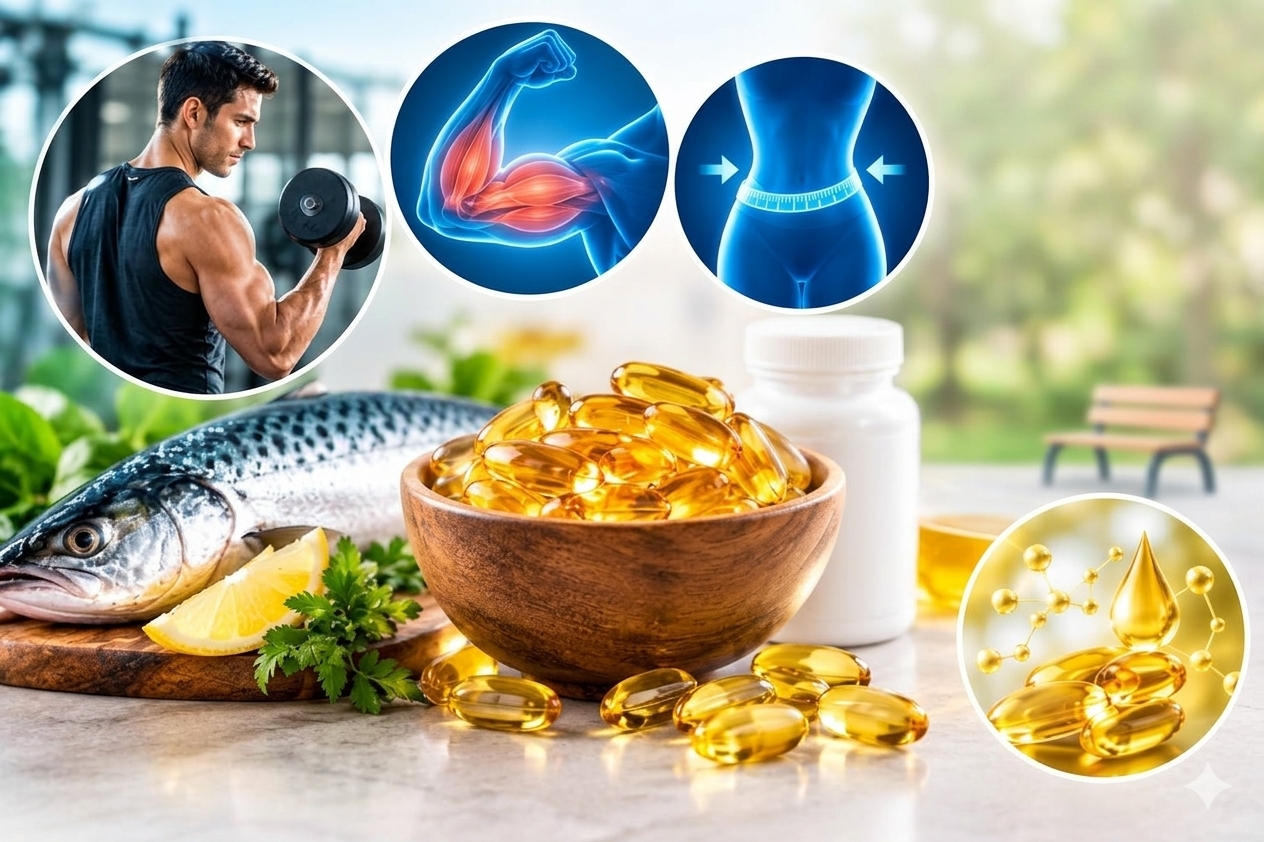
While food remains the foundation of performance nutrition, several supplements have become popular among athletes and sports performance professionals.
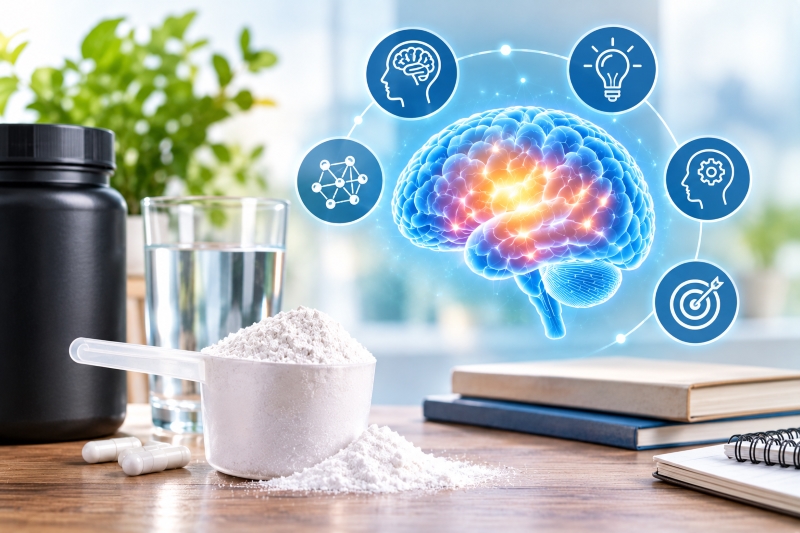
Creatine Monohydrate
One of the most researched supplements in sports nutrition.
Potential benefits include:
- Increased strength
- Enhanced power output
- Improved recovery
- Better training adaptations
Protein Supplements
Convenient protein sources help athletes meet daily recovery requirements, especially during demanding travel schedules and tournaments.
Collagen
Collagen supplementation is gaining attention for its potential role in supporting:
- Tendons
- Ligaments
- Joint health
- Connective tissue recovery
Preparing for the Heat of FIFA World Cup 2026
With several host cities expected to experience high temperatures and humidity, heat management will play a major role in tournament preparation.
Sports performance teams are implementing strategies such as:
- Pre-cooling protocols
- Electrolyte replacement
- Personalized hydration plans
- Climate-specific training sessions
Managing heat stress effectively could become a significant competitive advantage.
Lessons Everyday Athletes Can Learn
While most of us are not preparing for the FIFA World Cup, the principles used by elite footballers can benefit anyone pursuing better health and performance.
The key takeaways are simple:
- Prioritize recovery as much as training.
- Focus on strength training, not just cardio.
- Consume adequate protein daily.
- Stay hydrated and replace electrolytes when needed.
- Get quality sleep consistently.
- Use evidence-based supplements when appropriate.
The world’s best footballers understand that success is built long before match day. By combining intelligent strength training, strategic nutrition, and disciplined recovery habits, they create the foundation for elite performance.
The same principles can help everyday athletes become stronger, healthier, and more resilient—whether competing on the world stage or simply striving to be their best.
Important Health & Supplement Advisory
While training, nutrition, and recovery strategies discussed in this article are commonly used by elite athletes and professional sports organizations, individual needs can vary significantly based on age, health status, fitness level, medical history, and personal goals.
Before starting any new exercise program, nutrition plan, or supplement regimen, consult with a qualified healthcare professional, physician, registered dietitian, or certified sports nutrition specialist. This is particularly important for individuals with existing medical conditions, those taking prescription medications, pregnant or nursing women, and older adults.
When selecting supplements, consumers should prioritize products that meet recognized international quality and safety standards. Look for supplements that:
- Are manufactured in facilities following Good Manufacturing Practices (GMP).
- Undergo independent third-party testing and batch verification.
- Provide transparency regarding ingredient sourcing.
- Clearly disclose where raw materials are sourced, processed, and manufactured.
- Maintain traceability throughout the supply chain.
- Have Certificates of Analysis (COAs) available when appropriate.
- Are free from prohibited or contaminated substances.
Not all supplements are created equal. Product quality, ingredient purity, manufacturing controls, and supply chain transparency can significantly impact safety and effectiveness. Choosing reputable brands that invest in testing, quality assurance, and responsible sourcing helps consumers make more informed decisions.
Remember that supplements are intended to complement—not replace—a balanced diet, regular exercise, adequate sleep, and healthy lifestyle habits, which remain the foundation of long-term health and athletic performance.
“At Fitcart.com, we believe informed consumers make better health decisions. We encourage customers to choose products from brands that prioritize quality, transparency, scientific validation, and rigorous testing standards.”
Follow us on X: https://x.com/fitcartofficial and Instagram: https://www.instagram.com/fitcartofficial/ for the latest updates, health insights, and exclusive content.
Follow Smart Nutrition India X: https://x.com/SmartNutrition1 and Instagram: https://www.instagram.com/smartnutritionindia/ for trusted sports nutrition, supplement education, wellness tips, and the latest news from the world of health and performance.
Fitcart believes in True Play and Clean Sport
#trustedbrandsbetterhealth