


Article by Science in Sport & The Performance Solutions Team.
You’re hitting your carb numbers. Your timing is precise. You’re on top of your hydration. But three-quarters in, your energy drops, your legs fade, and your motivation collapses. In short, you blow up, and you can’t figure it out. So what happened?
Sodium. This abundant everyday element is vital to endurance performance. But too often it gets overlooked while we obsess over carbs, measure our fluids, and take care of other nutritional needs. It’s the forgotten link in fuelling.
Our bodies can’t make it or store it for long. Intake in correct quantities is essential.
Getting it wrong can be disastrous. But getting it right is easier than you think. Let’s take a science-informed look at how.
Sodium: the neglected essential
Sodium is the quiet, unsung regulator that keeps your output feeling smooth. It’s the key nutrient behind fluid balance, nerve function, and muscle contraction.
Turns out it’s also the one you lose fastest in sweat. If your sodium levels drop too far –and you don’t correct them quickly – your whole system struggles. When your sodium intake doesn’t keep pace with your output, even the best fuelling plan can fall apart.
Why Sodium matters for endurance performance
Sodium is one of the major electrolytes, alongside calcium, magnesium, and potassium. It’s the primary driver in supporting longer-duration efforts by:
- Maintaining blood volume
- Enabling temperature regulation
- Supportive nerve signalling and muscle firing
- Reducing the risk of cramps
It underpins other systems by keeping the body’s electrical and fluid balance stable enough for all these functions to work efficiently under long‑duration stress.
In longer, harder sessions, unreplaced sodium loss becomes a real issue. You feel uncomfortable, flat, and heavy, even when your carbs and hydration are healthy.
Signs you’re not getting enough
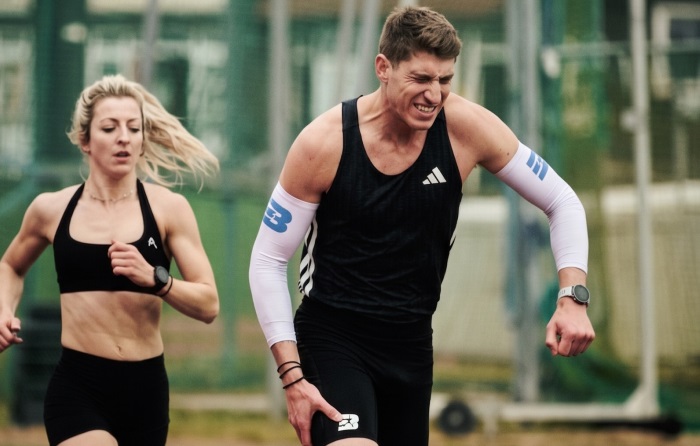
Low sodium doesn’t always hit you suddenly. It often sneaks up on you. Look out for:
- Feeling unusually tired despite good fuelling
- Muscle cramps or twitching
- Drinking a lot but still feeling dehydrated
- An unsettled, ‘sloshy’ stomach
- Headaches or dizziness late in long sessions
- Salt cravings during or after training
These signs can overlap with dehydration or under‑fuelling, but if you notice them consistently, it’s worth reviewing your sodium intake.
How much sodium do you actually need?
Two friends can do the same session, in the same kit, at the same pace, and finish with completely different amounts of salt streaks on their tops. The variation in both individual sweat rate and sodium concentration is pronounced:
- Light sweaters: 300–600 (mg sodium per litre)
- Moderate sweaters: 600–900
- Salty sweaters: 900–1,500+
If you’ve never had a formal sweat test, don’t worry – most athletes outside the elite haven’t. The good news is that you can monitor your sweating and address your sodium needs effectively through simple observation and practice.
For rides and runs over 90 minutes, always make a continuous assessment:
- conditions
- intensity
- duration
- how much you’re perspiring
Your exact needs should be calculated on a session-by-session basis. With practice, you’ll soon get comfortable with this. But guideline ranges are a useful starting point:
- Cool climate: 300–500 (mg sodium per hour)
- Moderate climate: 500–700
- Hot or humid climate: 700–1,000
Over time, this kind of responsive fuelling – matching your intake to the demands of each session – becomes second nature. You’ll be glad you paid attention to it.
Thinking on Your Feet: Building Your Sodium Skills
Don’t get too dutifully tied to rigid numbers – leave some room for flexibility. A smart sodium plan is both proactive and reactive. Learn to trust your observation and instinct. That’s where being vigilant and disciplined in training pays off.
You’ll develop the skill of judging the conditions and adjusting as they change mid-session. You’ll sharpen your timing and volume – most of us have had a valuable lesson from taking sodium too late into a session, or overcorrecting and taking too much. You’ll get comfortable reading your own individual sodium needs and responding in different scenarios.
A simple training log – climate, what you took, how you felt before, during, and after – can reveal patterns you’d otherwise miss. Over time, you’ll see clear trends that help you make adjustments.
Use long sessions as race rehearsals. Test your sodium plan, hand in hand with your fuelling and hydration strategy, under different conditions. This removes guesswork and builds your confidence.
Read the Room: How Conditions Change the Game
Those giveaway white marks and salt stains on your kit, that crusty residue on your skin, your stinging eyes – they all tell a familiar story. The environment you’re training or competing in significantly influences how much sodium you need.
Yes, heat, humidity, and intensity all increase your sweat rate. But be wary of assuming only scorching days and steep climbs are the danger. It’s easy to underestimate sodium needs in winter. We’ve all had that session where we overdo the layers on a cold day and end up perspiring unexpectedly heavily.
And it’s not just outdoors. Long workouts on the stationary bike or treadmill, when airflow is limited, can sometimes push sweat loss even higher.
Endurance sweat rates – and resultant sodium losses – climb surprisingly fast. Even experienced athletes can lose one to two litres of sweat per hour. Adjusting your intake to anticipate and deal with these shifts, based on the session and the conditions, is a crucial skill in your fuelling strategy.
Practical ways to raise your sodium game
Many runners and cyclists make the mistake of assuming standard sports drinks cover their sodium supplement needs. Sadly, most are aimed at taste first, performance second.
An effective sodium strategy requires quality products expertly formulated to do a specific job. To confidently control your intake, you need exact measures and the flexibility of multiple formats.
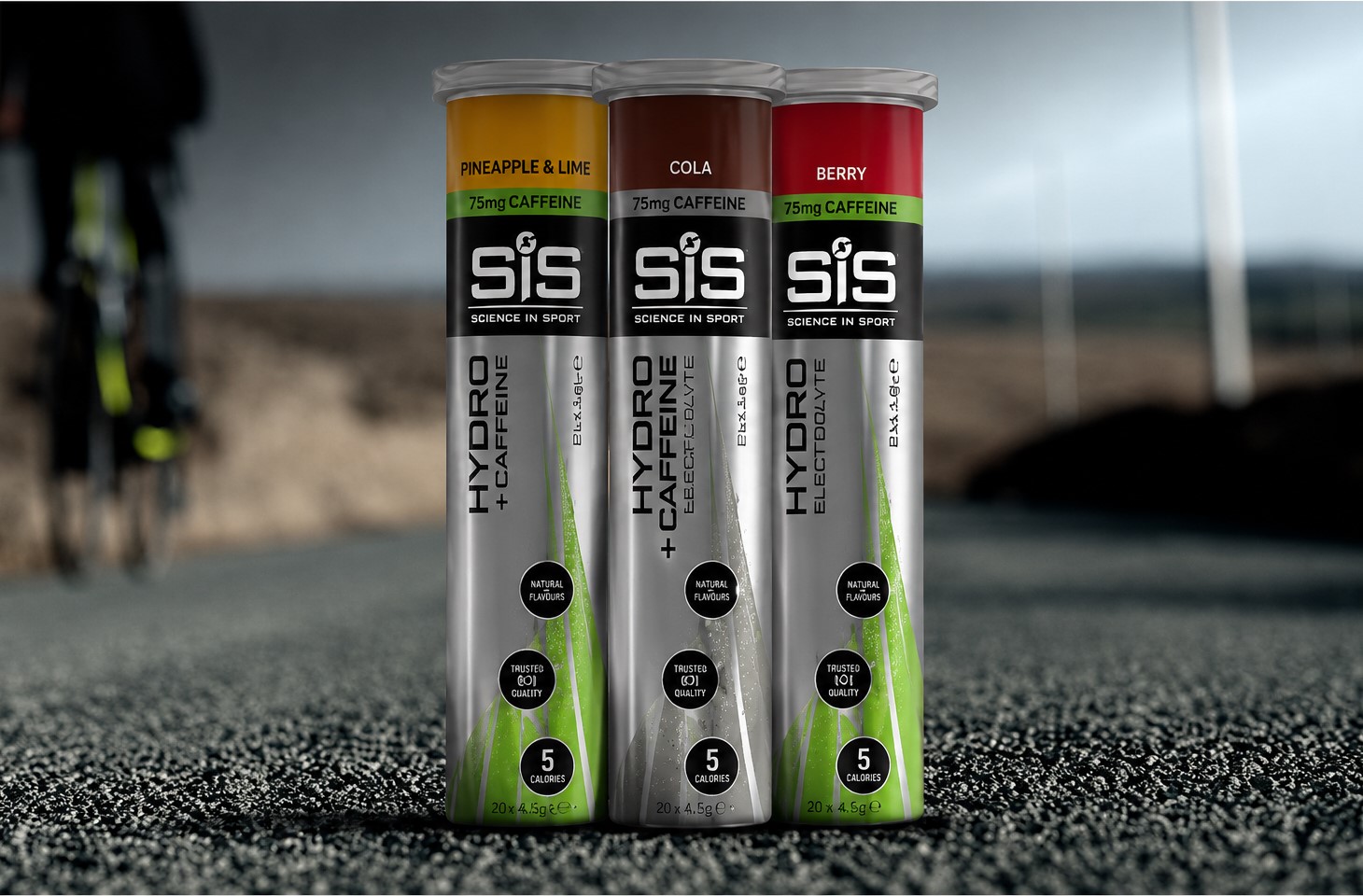
The ultimate performance hydration option, SiS Hydro is more than an endurance supplement. It delivers precise doses of each of the four key electrolytes, alongside B vitamins, in one easy-to-dissolve tablet.
SiS GO Electrolyte powder is the comprehensive option: it combines all four with fast‑absorbing carbs, giving you an accurate dose of sodium alongside your energy contribution.
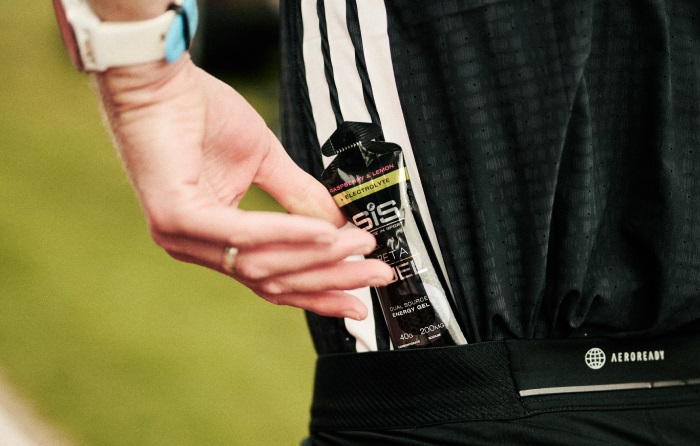
For a convenient on-the-move format, look to SiS GO Energy + Electrolyte Gel. It allows you to refuel and take care of your sodium, with no extra volume, without breaking your tempo.
Discover what works for you. Long training rides and runs are where you find your favourites and develop tolerance and technique.
Sodium: Small tweaks – big performance gains
Sodium isn’t complicated – it’s just easy to overlook. When you get it right, your entire game feels smoother, stronger, and more sustainable. Healthy sodium levels protect your key endurance systems:
- energy – maintaining plasma volume so nutrients reach working muscles
- hydration – helping you actually retain the fluid you drink
- comfort – avoiding that drained, heavy‑legged, bloated feeling
- performance – supporting resilience, steady pacing, and sharper focus
Treat this part of your fuelling just like your carbs and your hydration. Be strict. Test your plan. Adjust it based on how you feel. Small, consistent changes in electrolyte intake can deliver big gains in how you train, race, and recover.
Get sodium right. Your overall performance will be the winner.
Follow us on X: https://x.com/fitcartofficial and Instagram: https://www.instagram.com/fitcartofficial/ for the latest updates, health insights, and exclusive content.
Follow Smart Nutrition India X: https://x.com/SmartNutrition1 and Instagram: https://www.instagram.com/smartnutritionindia/ for trusted sports nutrition, supplement education, wellness tips, and the latest news from the world of health and performance.
Fitcart believes in True Play and Clean Sport
#trustedbrandsbetterhealth