


Fitcart Editorial Team Ritu Makhija.
Recovery is where progress happens. Whether your goal is to build muscle, improve athletic performance, or maintain overall fitness, what you consume after exercise can significantly affect your results. While protein is widely recognized as a post-workout essential, magnesium is an equally important nutrient that often doesn’t get the attention it deserves.
Together, protein and magnesium create a powerful recovery partnership that supports muscle repair, energy production, and overall recovery after training.
Why Protein Is Essential After a Workout
Exercise places stress on muscle tissue, creating microscopic damage that the body must repair. Protein supplies the amino acids required for this process, helping muscles recover and adapt to training demands.
Benefits of post-workout protein include:
- Supporting muscle recovery and repair
- Promoting muscle growth and maintenance
- Reducing muscle protein breakdown
- Enhancing recovery between training sessions
- Supporting strength and performance goals
For most active individuals, consuming 20–40 grams of high-quality protein after exercise can help maximize recovery and muscle protein synthesis.
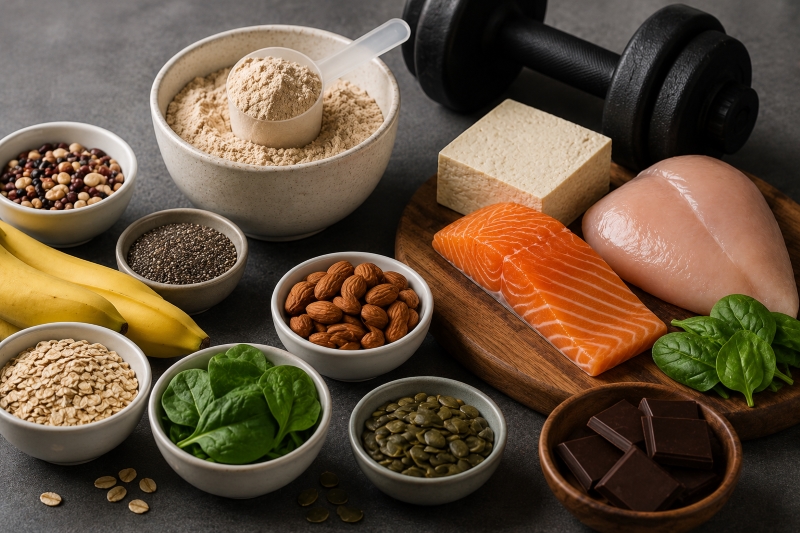
Common protein sources include:
- Whey protein
- Greek yogurt
- Eggs
- Lean meats and poultry
- Fish
- Soy products
- Legumes and pulses
The Recovery Benefits of Magnesium
Magnesium is an essential mineral involved in hundreds of biochemical processes throughout the body. For athletes and active individuals, it plays a key role in recovery and performance.
Supports Muscle Function
Magnesium helps regulate muscle contraction and relaxation. Adequate magnesium intake may help reduce muscle tightness, cramping, and post-exercise discomfort.
Aids Energy Production
The body relies on magnesium to produce and utilize ATP, the primary energy currency of cells. This makes magnesium essential for both exercise performance and recovery.
Helps Combat Fatigue
Intense physical activity can increase magnesium requirements. Maintaining adequate levels may help support energy levels and reduce feelings of fatigue.
Promotes Rest and Recovery
Quality sleep is one of the most important aspects of recovery. Magnesium supports normal nervous system function and relaxation, helping create an environment that supports restorative sleep.
Why Magnesium and Protein Work So Well Together
Protein provides the building blocks for muscle repair, while magnesium supports many of the processes involved in recovery, including protein synthesis, muscle function, and energy metabolism.
This complementary relationship makes magnesium and protein an effective post-workout combination for:
- Strength athletes
- Endurance athletes
- Recreational gym-goers
- Individuals following active lifestyles
Post-Workout Nutrition Ideas
To combine the benefits of protein and magnesium, consider meals and snacks such as:
Protein Smoothie
Blend whey protein with spinach, banana, and almond butter for a recovery-friendly shake.
Greek Yogurt Bowl
Top Greek yogurt with berries, pumpkin seeds, and chopped almonds.
Chicken and Greens
Pair grilled chicken breast with quinoa and sautéed spinach.
Plant-Based Recovery Meal
Enjoy tofu, edamame, and mixed vegetables with a sprinkle of cashews.
Can Supplements Help?
While whole foods should form the foundation of any nutrition plan, supplements can be a convenient option for individuals with increased nutritional needs or busy schedules.
Protein powders can help support daily protein targets, while magnesium supplements may be beneficial for those who struggle to meet their requirements through food alone.
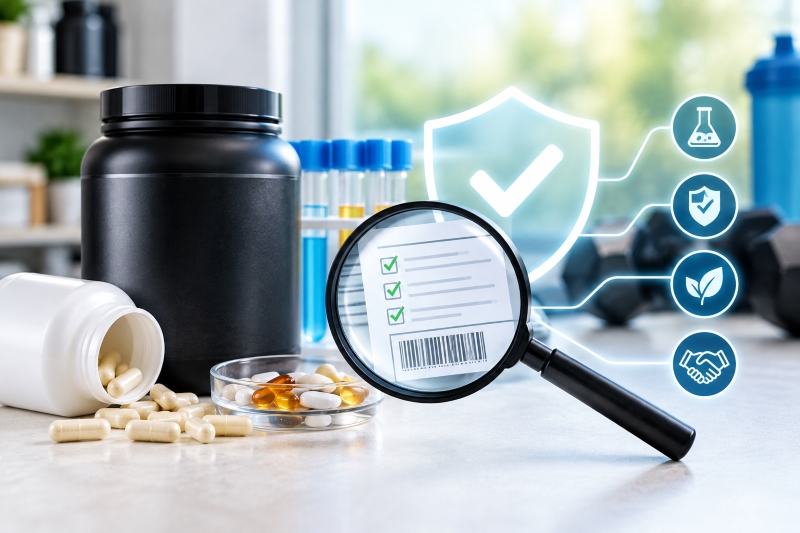
When choosing supplements, quality matters. Look for products that are transparently labeled, manufactured according to quality standards, and independently tested whenever possible.
Final Thoughts
Effective recovery requires more than simply replacing calories after a workout. Protein supports muscle repair and growth, while magnesium helps power the recovery process through its role in muscle function, energy production, and overall physiological performance.
Including both nutrients as part of a balanced post-workout nutrition strategy can help support training goals, recovery, and long-term health.
FitCart Advisory
At Fitcart.com, we believe informed choices are essential for achieving your health and fitness goals.
- Always choose supplements and sports nutrition products that are batch-tested and sourced from trusted, reputable brands.
- Verify product quality, ingredient transparency, and third-party testing wherever possible.
- Supplements are intended to complement a balanced diet and healthy lifestyle, not replace them.
Important: Before beginning any exercise program, nutrition plan, or supplementation regimen, consult a qualified healthcare professional, physician, or registered dietitian to determine what is appropriate for your individual needs and health status.
Results from exercise, nutrition, and supplementation may vary between individuals. Always follow product directions and seek professional guidance when necessary.
FAQ’s
Can I take magnesium and protein together after a workout?
Yes. Protein supports muscle repair, while magnesium supports muscle function, energy metabolism, and recovery. They can be consumed together as part of a balanced post-workout nutrition plan.
Does magnesium help with muscle recovery?
Magnesium plays an important role in muscle contraction, relaxation, and energy production. Adequate magnesium intake may help support recovery and reduce exercise-related fatigue.
How much protein should I consume after exercise?
Most active individuals benefit from consuming approximately 20–40 grams of high-quality protein after training, depending on body size, training intensity, and overall daily protein intake.
What are the best food sources of magnesium?
Magnesium-rich foods include pumpkin seeds, almonds, spinach, black beans, cashews, avocados, and dark chocolate.
Should athletes take magnesium supplements?
Athletes who do not meet their magnesium requirements through diet may benefit from supplementation. A healthcare professional can help determine individual needs. And once evaluated, they should consider clean-labelled, batch-tested sports nutrition from a world-leading sports-tested source.
Follow us on X: https://x.com/fitcartofficial and Instagram: https://www.instagram.com/fitcartofficial/ for the latest updates, health insights, and exclusive content.
Follow Smart Nutrition India X: https://x.com/SmartNutrition1 and Instagram: https://www.instagram.com/smartnutritionindia/ for trusted sports nutrition, supplement education, wellness tips, and the latest news from the world of health and performance.
Fitcart believes in True Play and Clean Sport
#trustedbrandsbetterhealth