


Article by Kinetica Sports & Justin Buckthorp.
Most people who train regularly have a detailed understanding of their macros, their programming, and their recovery. They can debate creatine loading versus maintenance dosing. But ask them about their gut — the single organ system that determines how effectively they absorb, recover, defend, and think — and the picture gets vague fast.
Gut health has become a buzzword, but behind the marketing noise sits a body of science that is transforming how we understand human performance. Your gastrointestinal tract is not just a tube that processes food. It is a sophisticated, multi‑layered system that communicates with your brain, regulates your immune defences, influences your hormones, and determines whether the nutrition you invest in actually reaches the cells that need it (Cryan, O’Riordan et al. 2019; Lobo, Tramullas et al. 2023; Zilbauer, James et al. 2023).
This article gives you a proper understanding of what gut health actually means, how digestion works from start to finish, what can go wrong, and why it matters more than most people realise — especially if you train.
Digestion: A Journey from Mouth to Colon
Digestion begins before food reaches your stomach. It starts in the mouth, where mechanical chewing breaks food into smaller particles and mixes it with saliva containing amylase — an enzyme that begins starch breakdown. Insufficient chewing means larger particles arrive in the stomach, placing greater demand on downstream processes and increasing the likelihood of bloating and discomfort (Kumar, Almotairy et al. 2023).
From the mouth, food travels into the stomach, where it encounters hydrochloric acid and the enzyme pepsin. The stomach’s pH sits between 1.5 and 3.5 — acidic enough to denature proteins, kill ingested pathogens, and prepare nutrients for absorption. When stomach acid is compromised by stress, ageing, medication, or chronic inflammation, protein digestion suffers, mineral absorption declines, and the risk of bacterial overgrowth increases (Martinsen, Bergh et al. 2005; Filardo, Scalese et al. 2022).
The partially digested food, now called chyme, moves into the small intestine, where absorption occurs. Digestive enzymes from the pancreas and bile from the gallbladder break nutrients down further. The intestine’s villi dramatically increase surface area, enabling amino acids, fatty acids, vitamins, and minerals to enter the bloodstream and support muscles, brain, immune cells, and organs (Ananda Rao and Johncy 2022).
Remaining material passes into the colon, where water is reabsorbed and gut bacteria ferment dietary fibres to produce short‑chain fatty acids and other metabolites vital to health (Illiano, Brambilla et al. 2020; Siddiqui and Cresci 2021; Fock and Parnova 2023).
The Gut Microbiome: Your Internal Ecosystem
Your gut hosts trillions of microorganisms collectively known as the gut microbiome, weighing up to two kilograms. This ecosystem actively influences digestion, immunity, metabolism, and mental health (Rosenberg 2024).
A healthy microbiome is defined by diversity and balance. Beneficial bacteria such as Lactobacillus and Bifidobacterium help maintain the gut lining, synthesise vitamins, produce short‑chain fatty acids like butyrate, and compete with harmful pathogens (Lozupone et al. 2012; Akhtar, Chen et al. 2022; Bonaldo and Leroy 2024).
When balance is disrupted — a condition known as dysbiosis — opportunistic organisms proliferate, increasing inflammation and metabolic strain (Mitrea, Nemes et al. 2022; Di Vincenzo, Del Gaudio et al. 2024).
Dysbiosis is common in active individuals due to antibiotic use, stress, sleep disruption, restricted diets, travel, alcohol intake, and heavy training loads, all of which suppress immune function (Bala, Marcos et al. 2014; Clark and Mach 2016; Lin, Jiang et al. 2024).
The Gut Barrier and Intestinal Permeability
The intestinal lining allows nutrients in while keeping harmful substances out. Tight junction proteins such as occludin and zonulin hold intestinal cells together to maintain this selective barrier (Fasano 2012; Sturgeon and Fasano 2016).
When damaged by inflammation, stress, dysbiosis, or food sensitivities, these junctions loosen — resulting in increased intestinal permeability, commonly called “leaky gut”.
This allows compounds like lipopolysaccharide (LPS) to enter circulation, triggering systemic inflammation that impacts joints, muscles, brain function, and metabolism (Ghosh, Wang et al. 2020; Guido, Ausenda et al. 2021; Xiao, Wang et al. 2024).
For athletes, this can mean impaired recovery, reduced nutrient absorption, food sensitivities, low mood, and persistent fatigue — even with optimal training and nutrition (Camilleri 2019; Ribeiro, Petriz et al. 2021).
The Gut’s Connections: Immunity, Brain, and Beyond
Around 60–70% of the body’s immune tissue resides in the gut, making it the primary site of immune education and regulation (Vighi, Marcucci et al. 2008; Sender, Weiss et al. 2023).
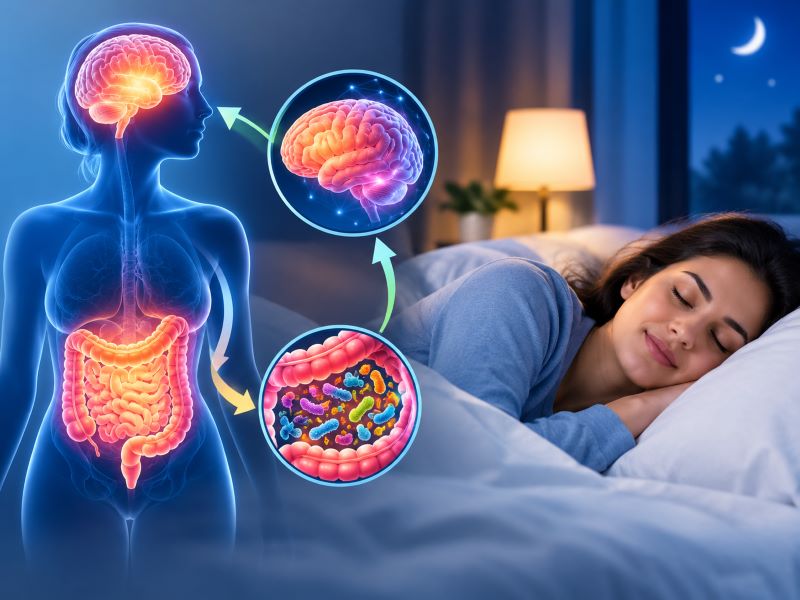
The gut‑brain axis enables constant communication via the vagus nerve. The gut produces most of the body’s serotonin and microbial metabolites that influence cognition, mood, and stress resilience (Martin, Young et al. 2017; Wei, Singh et al. 2022).
Disruptions in gut health are increasingly linked to depression, anxiety, reduced cognitive performance, and chronic fatigue (Anand, Gorantla et al. 2022; Xiong, Li et al. 2023).
Why This Matters If You Train
Your gut is the gatekeeper that determines how effectively training, diet, and supplementation translate into performance. Poor digestive capacity limits nutrient delivery, while barrier dysfunction drives inflammation and illness risk (Camilleri 2019; Dmytriv, Storey et al. 2024).
Digestive symptoms are not normal side effects of training. They are signals that digestion, absorption, microbial balance, or barrier integrity require attention.
Supporting Gut Health
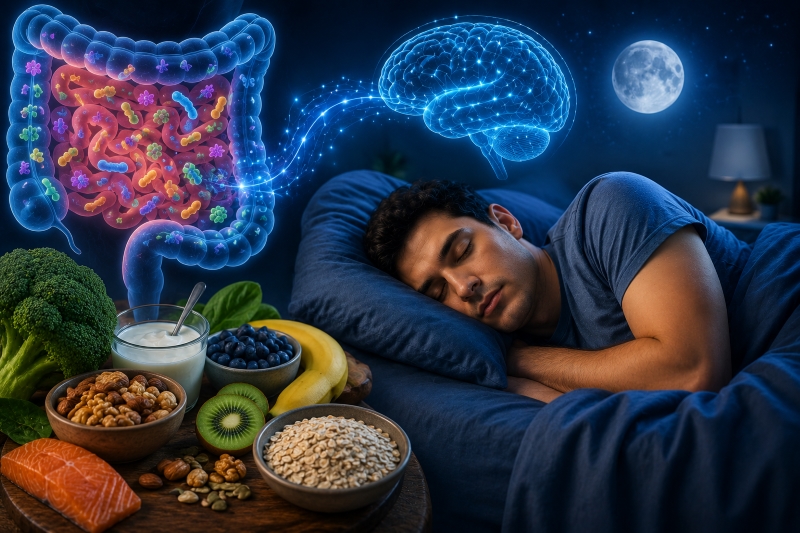
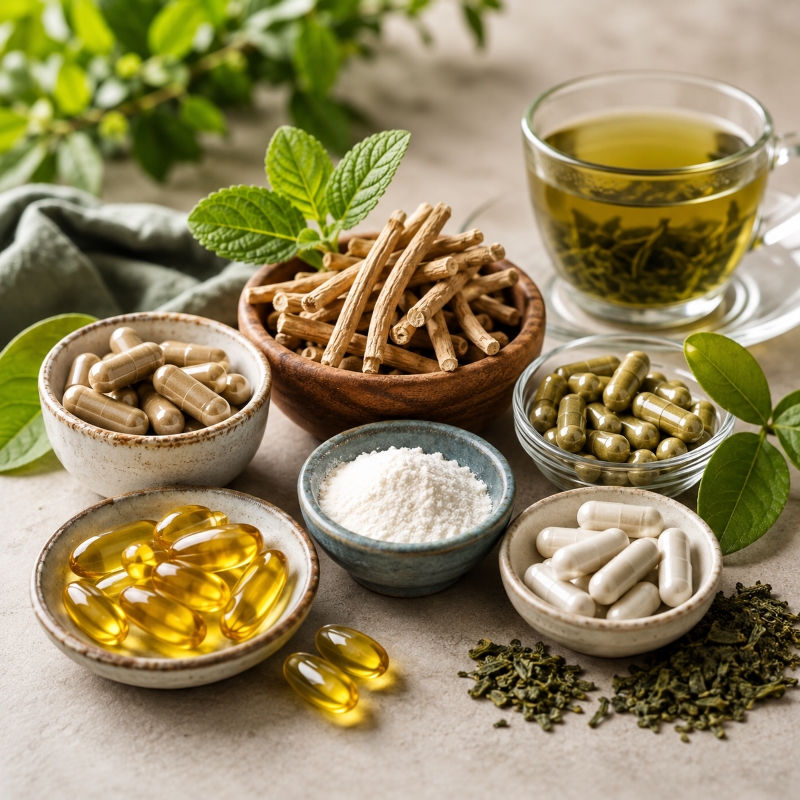
Fundamentals matter: chew thoroughly, manage stress, prioritise sleep, eat diverse fibre‑rich foods, and avoid unnecessary antibiotic use. For many active individuals, targeted supplementation also plays an important role.
- Prebiotics to feed beneficial bacteria
- Probiotics to restore microbial balance
- Postbiotics to deliver bioactive benefits without live organisms
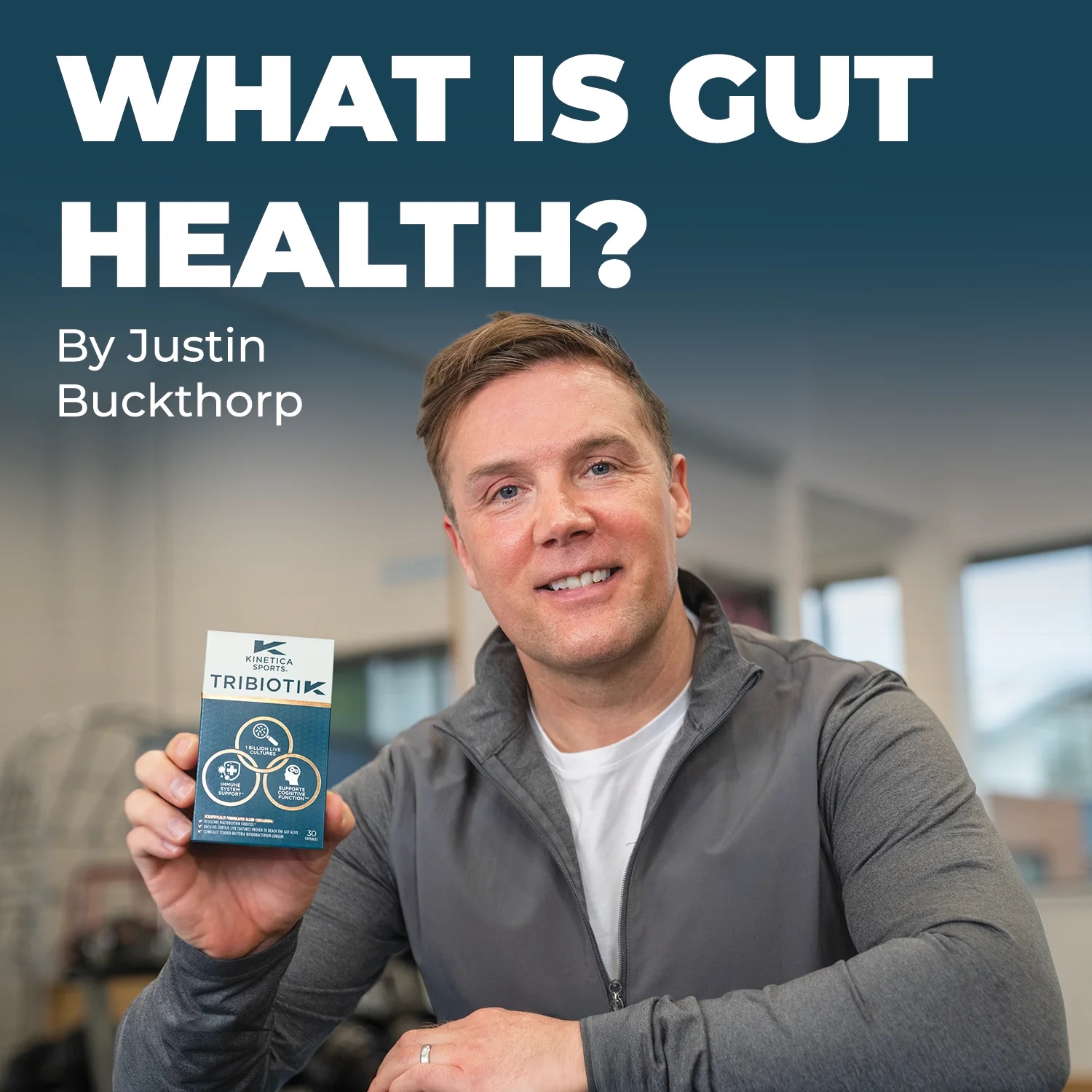
Products combining all three — tribiotics — represent the current frontier in gut health support.
Gut health is not a trend. It is the foundation upon which immunity, recovery, energy, mental clarity, and long‑term health are built. Investing in it pays dividends across every system that matters — especially if you train.
Follow us on X: https://x.com/fitcartofficial and Instagram: https://www.instagram.com/fitcartofficial/ for the latest updates, health insights, and exclusive content.
Follow Smart Nutrition India X: https://x.com/SmartNutrition1 and Instagram: https://www.instagram.com/smartnutritionindia/ for trusted sports nutrition, supplement education, wellness tips, and the latest news from the world of health and performance.
Fitcart believes in True Play and Clean Sport
#trustedbrandsbetterhealth