



PLANT PROTEIN ‘Know Your Nutrition’ Educational Series by Fitcart.com
Fitcart Nutritional Guides
KNOW YOUR NUTRITION – PLANT PROTEIN
Educational Series by Fitcart.com
After working closely with Indian athletes, teams, coaches, fitness enthusiasts, health experts, youth athletes, and more over the duration of more than 18 years in the sports nutrition, fitness and health fields, we discovered there was a lack of knowledge backed by education with regard to understanding each nutritional component of food and sports nutrition.
The general awareness of nutrition and sports nutrition on how to consume? When to consume? What amount? and other necessities made us wonder: Why hasn’t anyone offered Indian consumers and athletes nutrition learning?
After collecting concepts, we determined to develop a series of nutritional guidelines addressing every component of nutrition, and more specifically sports nutrition.
Fitcart’s Know Your Nutrition (KYN) Series offers readers an informed, science-backed resource to refresh their knowledge on a certain nutritional topic or component.
First, we want to emphasize the importance of batch-tested, lab-certified sports nutrition for both athletic performance and overall health. You can improve your athletic performance by taking a supplement that has a certificate of analysis from a reputable organization, such as LGC, Informed Sport, or HASTA.
We promote True Play and Clean Sport along with WADA, and we advise all athletes, fitness enthusiasts, and anyone else to seek advice from a trained health and sports highly qualified professional before starting any program.
Always check the authenticity and efficacy of every one of your vitamins and supplements before consuming.
Fitcart.com we have a page dedicated to checking the batch number for your supplements to ensure this is authentic, this is called Check My Supplement, https://www.fitcart.com/my-supp and Trusted Health page for information on all the testing authorities https://www.fitcart.com/trusted-health.
Say ‘NO’ to Doping. True Play and Clean Sport.
We will cover a range of sports nutrition components –
- Creatine
- Glutamine
- Whey Protein
- Pre – Workouts
- BCAA’s
- EAA’s
- Plant Protein
- L- Carnitine
- ZMA
- Collagen
- Magnesium
- Co-Q 10
- Caffeine
- Hydration
Know Your Nutrition (KYN) – PLANT PROTEIN
What is Plant Protein?
In simple terms, Plant- based protein is made from plants. Plant protein is a significant source of protein found in food that comes from plants.
Which foods contain high plant protein?
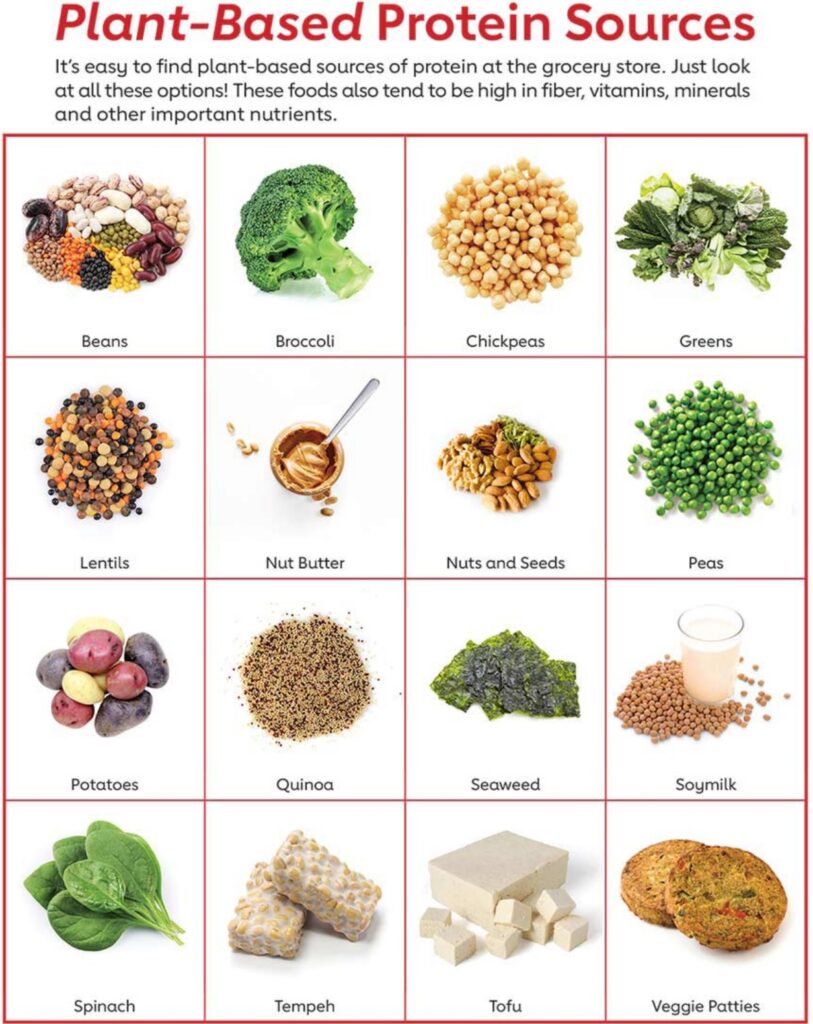
(Image courtesy, American Heart Association)
Although the levels may vary, plant protein can be found in nearly all plant based food sources, some examples are Beans, Broccoli, Chickpeas, Green vegetables, Lentils and pulses, Nut Butters, Nuts and Seeds, Peas, Potatoes, Quinoa, Soya, Seaweed, Soymilk, Spinach, Tempeh, Tofu.
One of the best sources of plant protein are soy-based products.
Protein proportions in each food
- Tofu (soybean curds) contains about 10 g of protein per ½ cup
- Cooked lentils contain 8.84 g of protein per ½ cup
- Peanuts contain 20.5g of protein per ½ cup
- Cooked quinoa contains 8g of protein per cup
Protein needs for an adult with less physical activity are 0.8 grams per kilogram of body weight, or 0.36 grams per pound, according to the Dietary Reference Intake report for macronutrients. Accordingly, a male with less physical activity should consume roughly 56 grams of protein day, while a woman should consume about 46 grams. And the value increases according to the level of physical fitness.
How does a plant based protein impact the development of muscles and exercise performance?
An article on Can Plant- based protein diet boost your muscle health by Science For Sport https://www.scienceforsport.com/how-plant-based-protein-can-help-athletes/#:~:text=
Following a vegan diet reduces, absorb the amino acids completely.
The effect of animal versus plant protein on muscle mass, strength, physical performance, PubMed https://pubmed.ncbi.nlm.nih.gov/35418173/
Are there any disadvantages to consuming plant proteins?
Since plant proteins tend to be incomplete proteins, a complete protein diet should be obtained by consuming a variety of plant proteins.
Certain plant-based proteins have a lot of carbs, making them unsuitable for anyone on a low-carb diet.
Whey protein is usually less expensive than plant protein powders.
Fitcart believes in True Play and Clean Sport
#trustedbrandsbetterhealth
All our nutritional information is scientific and evidence-based, to be used as a dietary guide. Before starting any new diet or fitness regime we recommend consultation with a certified healthcare professional.