


Gut health is emerging as one of the most important aspects of overall well-being, with mounting evidence linking a healthy gut to reduced risks of serious health issues like cancer, diabetes, cardiovascular diseases, and even cognitive decline. What was once considered just a digestive system is now understood to be a critical player in maintaining a balanced, disease-resistant body. This article explores the profound connection between gut health and disease prevention, with a focus on how a healthy diet can fortify this essential system.
Article by Fitcart.com
The Gut Microbiome: The Body’s Ecosystem
The gut is home to trillions of microorganisms—bacteria, viruses, fungi, and other microbes—collectively known as the gut microbiome. These microorganisms play vital roles in digestion, nutrient absorption, immune function, and overall health. A diverse and balanced microbiome is key to maintaining a strong immune system and reducing inflammation, which is a driving factor in many chronic diseases.
When the gut microbiome is in harmony, it protects against harmful pathogens, regulates metabolism, and communicates with the brain and other organs. However, an imbalanced or unhealthy gut can lead to systemic inflammation, which increases the risk of various conditions, including cancer, diabetes, and neurological disorders.
Gut Health and Diet Are Directly Linked
The food you eat directly influences the composition and function of your gut microbiome. Diets high in processed foods, sugars, and unhealthy fats can promote the growth of harmful bacteria, while diets rich in whole foods, fiber, and probiotics support beneficial gut bacteria. Here’s how gut health is connected to the prevention of major diseases:
1. Gut Health and Cancer Prevention
Inflammation is one of the root causes of cancer development, and an unhealthy gut can trigger chronic inflammation throughout the body. Diets high in fiber, plant-based foods, and antioxidants help feed beneficial gut bacteria that produce short-chain fatty acids (SCFAs), like butyrate, which have anti-inflammatory and cancer-protective properties. A high-fiber diet has been shown to reduce the risk of colorectal cancer by improving bowel regularity and eliminating potential carcinogens more efficiently.
Additionally, a healthy gut helps regulate the body’s immune response, enabling it to detect and destroy cancerous cells more effectively before they can multiply.
2. Gut Health and Diabetes
Gut health plays a crucial role in managing blood sugar levels and insulin sensitivity. Studies have shown that individuals with a diverse and balanced gut microbiome are less likely to develop type 2 diabetes. Diets high in fiber from fruits, vegetables, legumes, and whole grains help nourish beneficial bacteria, which can improve insulin sensitivity and lower inflammation—two key factors in diabetes prevention.
Conversely, diets high in refined sugars and processed foods can disrupt gut bacteria, leading to insulin resistance and higher risks of obesity and diabetes.
3. Gut Health and Cardiovascular Disease
Heart disease is often linked to chronic inflammation, and the gut microbiome can either exacerbate or help mitigate this risk. Diets rich in healthy fats like omega-3 fatty acids, fiber, and polyphenols from fruits and vegetables can reduce inflammation and improve cholesterol levels. Healthy gut bacteria also produce compounds that help lower blood pressure and improve arterial health, reducing the risk of cardiovascular disease.
Diets heavy in processed meats, trans fats, and sugar, on the other hand, can lead to gut dysbiosis (an imbalance of gut bacteria), promoting systemic inflammation that contributes to heart disease.
4. Gut Health and Brain Function
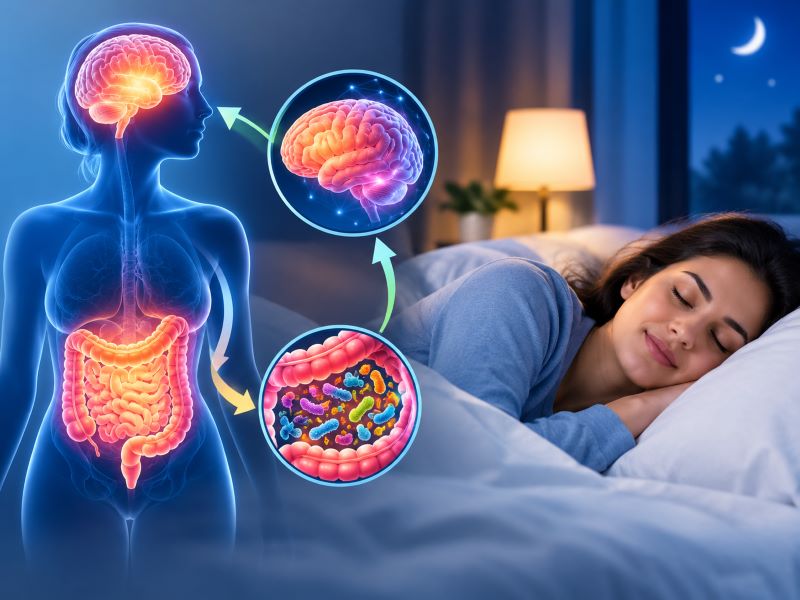
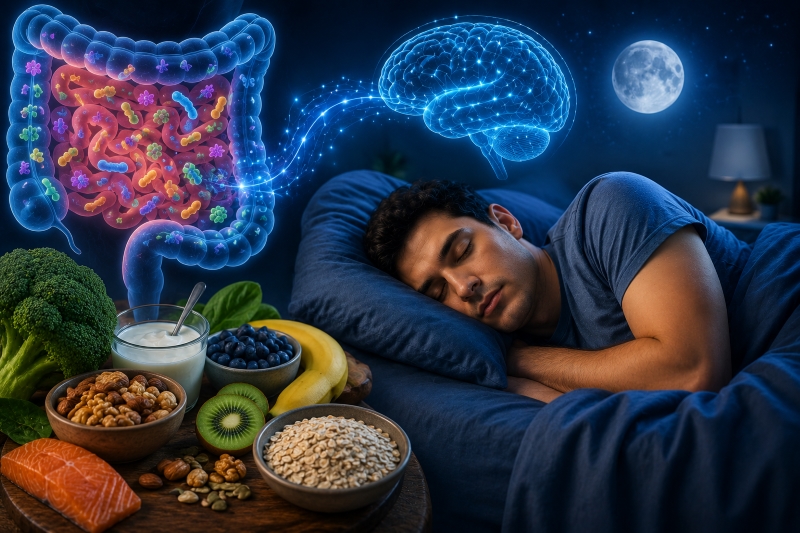
The gut-brain axis refers to the communication between the gut and the brain, and it plays a critical role in mental and cognitive health. A healthy gut produces neurotransmitters like serotonin and dopamine, which influence mood, sleep, and cognition. A poor diet can lead to inflammation in the gut, which may increase the risk of neurodegenerative diseases such as Alzheimer’s and Parkinson’s, as well as depression and anxiety.
Recent research has shown that gut bacteria can influence brain function and cognitive health. A diet high in prebiotics (foods that feed beneficial bacteria) and probiotics (foods containing live beneficial bacteria) can improve memory, mood, and protect against age-related cognitive decline.
Role of a Healthy Diet in Supporting a Healthy Gut
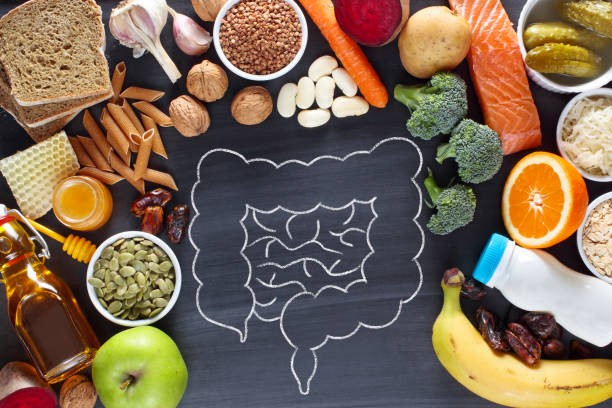
Eating for gut health means focusing on a diet rich in whole, unprocessed foods that nourish the beneficial bacteria in the gut. Here are some key dietary components that support a healthy gut microbiome:
- Fiber: Found in fruits, vegetables, legumes, and whole grains, fiber acts as a prebiotic, feeding beneficial bacteria and promoting regular bowel movements.
- Fermented Foods: Foods like yogurt, kefir, sauerkraut, and kimchi are rich in probiotics that replenish good bacteria in the gut.
- Polyphenols: These plant compounds, found in foods like berries, dark chocolate, green tea, and red wine (in moderation), have antioxidant properties and promote gut health.
- Healthy Fats: Omega-3 fatty acids found in fish, flaxseeds, and walnuts have anti-inflammatory effects and support gut integrity.
- Limit Processed Foods: Reducing sugar, artificial sweeteners, and unhealthy fats can help prevent the growth of harmful bacteria.
Supplements That Support Gut Health
In addition to a well-rounded, nutrient-rich diet, certain supplements can further bolster gut health by supporting beneficial bacteria, reducing inflammation, and promoting overall digestive function. While food should be the primary source of nutrients, supplements can help fill in the gaps and offer targeted support for the gut microbiome. Here are some of the key supplements that can support gut health and how they contribute to a healthy digestive system:
1. Probiotics
Probiotics are live bacteria and yeasts that help balance the gut microbiome by introducing beneficial microorganisms. They can enhance the gut’s microbial diversity, improve digestion, and reduce inflammation. Common strains in probiotic supplements include:
- Lactobacillus: Helps break down lactose and supports the production of lactic acid, which lowers gut pH and prevents the growth of harmful bacteria.
- Bifidobacterium: Aids in digestion, helps fight off harmful bacteria, and boosts the immune system.
- Saccharomyces boulardii: A yeast that supports gut health and is especially effective in treating diarrhea and preventing gastrointestinal infections.
Probiotics are beneficial for restoring balance to the gut after a course of antibiotics or during periods of digestive stress, such as bloating, constipation, or diarrhea.
2. Prebiotics
Prebiotics are non-digestible fibers that feed the beneficial bacteria in the gut. While many prebiotics come from food sources like fruits, vegetables, and legumes, supplementing with prebiotics can help boost gut health by promoting the growth of healthy bacteria. Common prebiotic supplements include:
- Inulin: A type of soluble fiber that promotes the growth of beneficial bacteria and supports digestive health.
- Fructooligosaccharides (FOS): Found naturally in certain fruits and vegetables, FOS can enhance gut bacteria growth and improve digestion.
- Resistant Starch: Found in foods like unripe bananas and cooked-then-cooled potatoes, resistant starch supplements can help increase the production of short-chain fatty acids (SCFAs) that reduce inflammation.
3. Digestive Enzymes
Digestive enzymes help break down food into nutrients that the body can absorb. While the body naturally produces these enzymes, some individuals may have deficiencies that lead to poor digestion and gut discomfort. Supplementing with digestive enzymes can be particularly helpful for those with food intolerances or digestive issues. Common digestive enzyme supplements include:
- Protease: Breaks down proteins into amino acids.
- Lipase: Breaks down fats into fatty acids.
- Amylase: Breaks down carbohydrates into sugars.
- Lactase: Helps digest lactose, the sugar found in dairy products.
Digestive enzyme supplements can alleviate symptoms like bloating, gas, and indigestion, particularly after meals.
4. L-Glutamine
L-Glutamine is an amino acid that plays a crucial role in maintaining the integrity of the intestinal lining. It is particularly useful for individuals with “leaky gut” syndrome, where the intestinal barrier becomes permeable and allows harmful substances to enter the bloodstream, leading to inflammation and other health issues. L-Glutamine supports the repair of the gut lining, reducing inflammation and promoting gut healing.
This supplement is also beneficial for people with inflammatory bowel disease (IBD) or irritable bowel syndrome (IBS) as it helps reduce gut permeability and supports the body’s natural healing process.
5. Omega-3 Fatty Acids
Omega-3 fatty acids, particularly from fish oil, have powerful anti-inflammatory properties that support gut health by reducing chronic inflammation in the digestive tract. A healthy balance of omega-3s in the diet helps
Conclusion: A Healthy Gut for a Healthy Life
Gut health is foundational to overall wellness, influencing everything from digestion to immunity and brain function. By maintaining a diverse and balanced gut microbiome through a healthy diet, you can significantly reduce the risk of developing chronic diseases like cancer, diabetes, and cardiovascular diseases, while also supporting cognitive health and longevity. The path to better health truly begins in the gut, and the food choices we make today can pave the way for a healthier, disease-free future.
Fitcart believes in True Play and Clean Sport
#trustedbrandsbetterhealth