



Introduction
With its rich culinary heritage and diverse food preferences, India has long been a nation with a strong focus on food safety and quality. However, in recent years, the country has faced a significant rise in counterfeit food products and adulterated ingredients, sparking concerns among consumers and regulatory bodies alike. As the demand for processed and packaged foods has grown, so has the incidence of fake or low-quality food ingredients being sold in markets. This issue has spotlighted the urgent need for stringent testing and quality assurance of food products in India.
Article by Fitcart.com
The Rise of Fake Food Products in India
Fake or adulterated food products have become an increasing menace in India. These counterfeit items range from basic staples such as milk, honey, and spices to more complex processed foods. The allure of quick profits has driven unscrupulous producers to tamper with food items, often replacing high-quality ingredients with cheaper alternatives or harmful chemicals. For instance, milk is usually diluted with water or detergent, while spices like turmeric and chili powder are mixed with artificial colors or inedible fillers.
Several factors contribute to this problem:
- High consumer demand: With the growing population and rising incomes, there is an increasing demand for ready-to-eat and processed foods. This surge has created opportunities for counterfeiters to flood the market with fake goods.
- Weak enforcement: While India has food safety regulations, the enforcement of these laws has often needed to be stronger, particularly in rural and semi-urban areas. The lack of resources and testing facilities further exacerbates the problem.
- Unregulated supply chains: India’s food supply chain is vast and fragmented, making monitoring every stage from farm to table difficult. Many small-scale producers and retailers operate without proper oversight, leading to quality lapses.
The Role of Food Testing in Curbing Adulteration
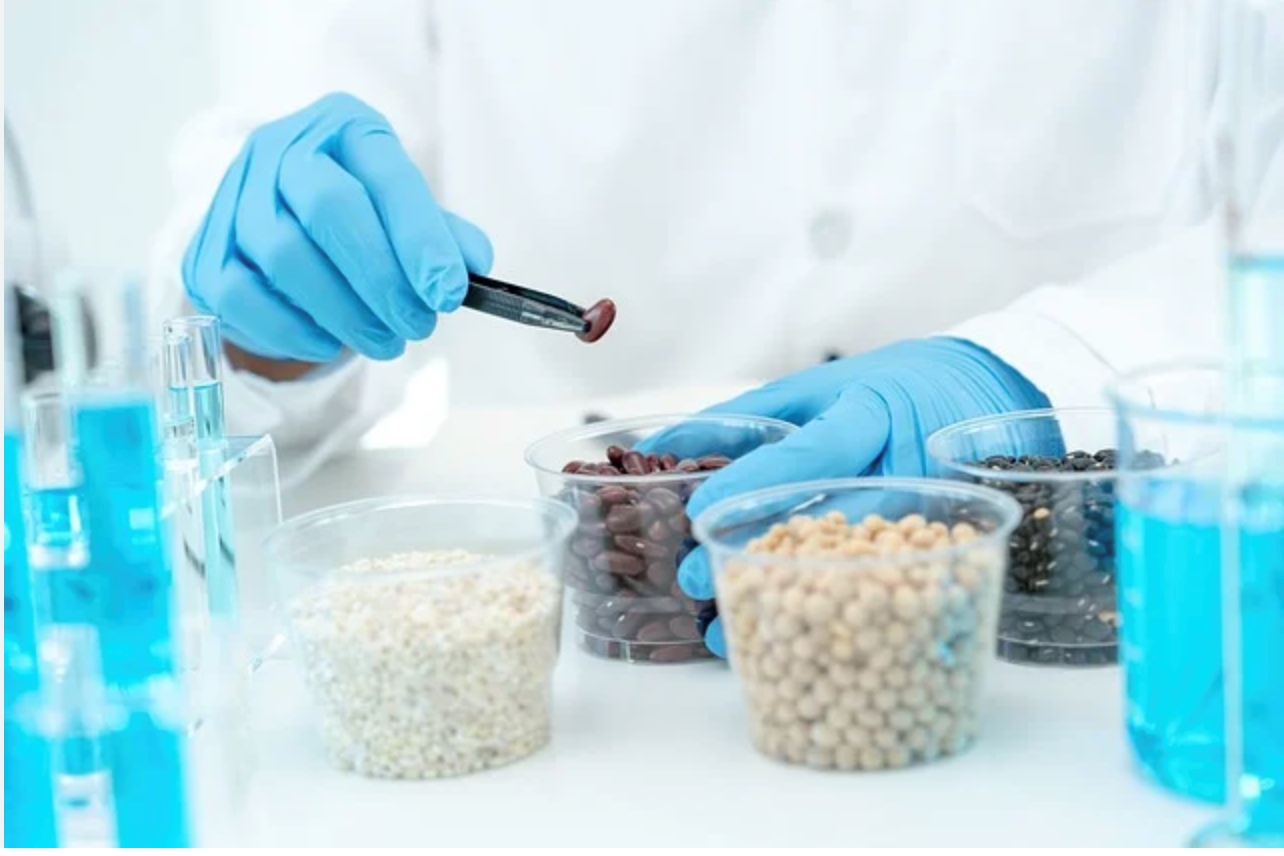
To address this growing challenge, testing of food ingredients is becoming increasingly important. Testing helps ensure that food products are safe for consumption and verifies that they meet the standards set by regulatory authorities like the Food Safety and Standards Authority of India (FSSAI).
- Chemical Testing: One of the most critical aspects of food safety is testing for harmful chemicals such as pesticides, heavy metals, and other contaminants. For example, fruits and vegetables are often tested for pesticide residues that could harm consumers over time. Similarly, processed foods are checked for preservatives and additives that might exceed permissible levels.
- Microbiological Testing: Food products, especially perishable items like dairy, meat, and poultry, are susceptible to microbial contamination. Pathogens like Salmonella, E. coli, and Listeria can cause serious foodborne illnesses. Ensuring that food is free from harmful microbes is vital to public health.
- Authenticity Testing: With the increase in counterfeit products, there is a greater need for authenticity testing to ensure consumers get what they pay for. For instance, honey is often adulterated with sugar syrup, while olive oil may be diluted with cheaper vegetable oils. Advanced methods like DNA barcoding and isotope analysis can detect such adulteration.
- Nutritional Testing: In a market where consumers are increasingly health-conscious, accurate labeling of nutritional information is essential. Testing verifies whether food products contain the nutrients they claim, helping consumers make informed choices.
- Adulteration Detection: Adulteration remains one of the most pressing issues in Indian food safety. Testing methods like High-Performance Liquid Chromatography (HPLC) and Gas Chromatography-Mass Spectrometry (GC-MS) are used to identify contaminants in spices, oils, and other ingredients. These techniques can detect even trace amounts of impurities, ensuring the authenticity and purity of food products.
The Importance of Informed Ingredient Testing
India’s food industry would greatly benefit from adopting advanced and specialized testing methodologies like those used by LGC Group, a global leader in life sciences and analytical testing. LGC Group’s informed ingredient testing method focuses on verifying the authenticity, purity, and quality of ingredients used in the food industry. This type of testing helps ensure that food manufacturers and consumers alike can trust the quality of the ingredients used in products. It involves:
- Traceability: Ensuring that ingredients come from verified sources.
- Purity testing: Verifying that no harmful contaminants or fillers have been added to the ingredients.
- Allergen testing: Ensuring ingredients are free from undeclared allergens that could cause harm to sensitive individuals.
India can adopt these methods to enhance its testing infrastructure and ensure that its food industry meets international safety standards. This will not only protect consumers but also improve trust in Indian food products on a global scale.
What Everyday Consumers Can Do to Ensure Their Food Is Safe
While regulatory bodies and technology play a crucial role in food safety, the everyday consumer is also responsible for safeguarding their health by being vigilant. Here are some steps consumers can take to ensure the food they buy is safe:
- Buy from trusted sources: Avoid purchasing food products from unknown or unverified vendors, especially in local markets where adulteration is more common. Please stick to trusted brands and certified retailers whenever possible.
- Check FSSAI certification: Ensure the food products you purchase are FSSAI certified. The FSSAI logo on the packaging indicates that the product has met the required safety standards.
- Examine the packaging: Always inspect food packaging for signs of tampering, such as broken seals, faded labels, or incorrect expiration dates. Any irregularities in the packaging could indicate that the product has been adulterated.
- Use home testing kits: Simple home testing kits are available to check for common adulterants in products like milk, spices, and oils. For instance, kits can detect the presence of synthetic milk or harmful chemicals in fruits and vegetables.
- Be aware of common signs of adulteration: For some products, adulteration can be detected through taste, color, or texture. For instance, turmeric with a too-bright yellow hue could contain synthetic colorants, while honey that dissolves quickly in water could be mixed with sugar syrup.
- Stay informed: Follow food safety updates and advisories issued by regulatory bodies like the FSSAI. Public awareness campaigns often provide valuable tips on identifying fake products and the risks associated with consuming them.
- Report suspicious products: If you find food products you suspect are fake or adulterated, report them to the local food safety authorities. Consumer feedback is essential in helping regulatory bodies crack down on counterfeiters.
The Role of FSSAI and Regulatory Measures
The Food Safety and Standards Authority of India (FSSAI) has taken several steps to combat the rise of fake food products. Among these measures are:
- Regular inspections: FSSAI conducts random inspections of food processing units, markets, and restaurants to ensure compliance with safety standards.
- Licensing and registration: All food businesses in India must be registered or licensed under FSSAI regulations. This helps create a traceable and accountable supply chain.
- Public awareness campaigns: FSSAI runs several campaigns, such as “Eat Right India,” to promote safe and healthy food habits among consumers.
Conclusion
The rise of counterfeit food products and adulterated ingredients in India is a serious concern that requires a multi-faceted approach. Stringent testing protocols, like the ones pioneered by LGC Group, coupled with advanced technology and increased consumer awareness, are vital in ensuring food safety.
A good start would be to add a checklist symbol, a batch-tested symbol to those brands of foods, ingredients that comply with food safety standards –
- Checklist Icon: A checklist symbol (like a green tick) beside each ingredient, indicating they have been tested.
- Include phrases like:
- “Tested for Quality”
- “Safe for Your Family”
- “Sourced Responsibly”
While the FSSAI has proactively addressed the issue, much work must be done to improve enforcement and transparency in the food supply chain. A collaborative effort is needed between agencies, food producers, and consumers to safeguard the nation’s health.
Fitcart believes in True Play and Clean Sport.
#trustedbrandsbetterhealth