


Suggested reading time: 12-15 minutes.
Fitcart Gut Health Series.
Author: Ritu Makhija.
Co-Founder, Fitcart.com.
Head of Editorial Team, Fitcart Blog.
Platform: Fitcart.com® | Health, Fitness, Nutrition and Wellness.
Understanding beneficial bacteria, gut health, digestive function and how nutrition and supplements can support your microbiome.
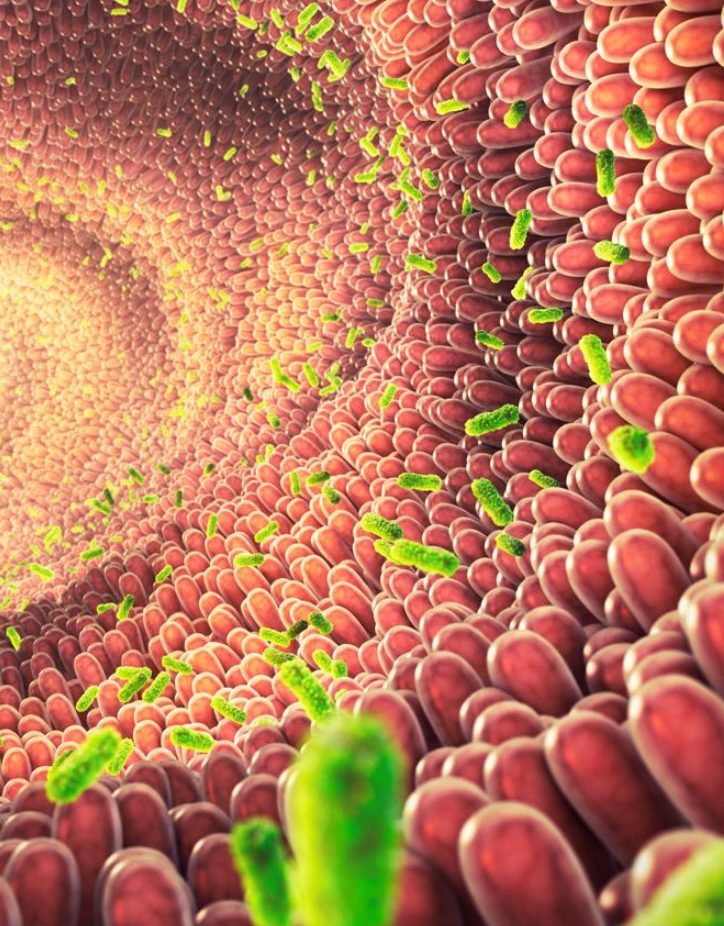
Your gut is home to trillions of microorganisms that play an important role in digestion, nutrient metabolism, immune function and overall health. Maintaining a healthy relationship between these microorganisms and the body is an important part of digestive wellbeing.
Two terms frequently appear in conversations about gut health: prebiotics and probiotics.
Although they sound similar, they perform different functions. Probiotics are live microorganisms that can provide health benefits when consumed in adequate amounts, while prebiotics are substances selectively used by microorganisms that confer a health benefit.
In simple terms, probiotics introduce beneficial live microorganisms, while prebiotics provide nourishment for certain microorganisms already living in your gut.
Both have attracted considerable scientific interest, but understanding their differences is important when choosing foods, supplements and digestive health products.
At Fitcart, we believe good gut health starts with understanding the science, choosing nutrient-rich foods and using evidence-based supplements responsibly.
Let’s explore how prebiotics and probiotics work, where to find them and whether you need both.
1. What Are Probiotics?
Probiotics are live microorganisms that, when administered in adequate amounts, confer a health benefit on the person consuming them.
They include selected species of bacteria and certain beneficial yeasts.
Some microorganisms commonly studied as probiotics belong to the genera:
- Lactobacillus (now divided into several genera, including Lactobacillus, Lacticaseibacillus and Limosilactobacillus).
- Bifidobacterium.
- Saccharomyces, particularly Saccharomyces boulardii.
Different probiotic strains have different properties. Their benefits depend on the specific microorganism, dose, formulation, population and health outcome being studied.
How can probiotics support gut health?
Certain well-studied probiotic strains may help:
- Support digestive function.
- Influence the composition and activity of the gut microbiome.
- Support normal intestinal barrier function.
- Help with particular types of diarrhoea in certain circumstances.
- Support lactose digestion when specific cultures are present.
- Influence interactions between gut microorganisms and the immune system.
Importantly, not every probiotic produces all these benefits. Some effects are specific to particular strains and clinical circumstances.
A product containing billions of live bacteria is not automatically effective simply because its CFU count is high.
2. What Are Prebiotics?
Prebiotics are substances that are selectively used by microorganisms in the body and provide a health benefit.
Many familiar prebiotics are types of dietary fibre and other carbohydrates that resist digestion in the upper gastrointestinal tract and become available to gut microorganisms.
These compounds help support the activity of selected microbial populations.
Commonly studied prebiotic ingredients include:
Inulin: A naturally occurring fibre found in chicory root, onions, garlic, asparagus and other plants.
Fructooligosaccharides (FOS): Short-chain carbohydrates found in foods such as onions, garlic, asparagus and bananas.
Galactooligosaccharides (GOS): Found naturally in legumes such as chickpeas, lentils and beans, and also used in certain supplements.
Resistant starch: A type of starch that resists digestion in the small intestine and can be fermented by gut bacteria. Sources include legumes, green bananas and cooked-and-cooled rice or potatoes.
Why are prebiotics important?
When gut microorganisms ferment suitable prebiotic substrates, they produce metabolites that can influence digestive and metabolic health.
These include short-chain fatty acids such as:
- Acetate.
- Propionate.
- Butyrate.
These compounds have important roles in the gut environment. Butyrate, for example, provides an energy source for many cells lining the colon.
Prebiotics can therefore help support a healthy microbial ecosystem, although individual responses vary depending on the person’s existing microbiome, diet and digestive tolerance.
3. Prebiotics vs Probiotics: Understanding the Difference
The simplest way to understand the distinction is to think of your gut as an ecosystem.
Probiotics are selected live microorganisms that can provide a health benefit. Prebiotics are substrates that certain microorganisms use and that provide a health benefit.
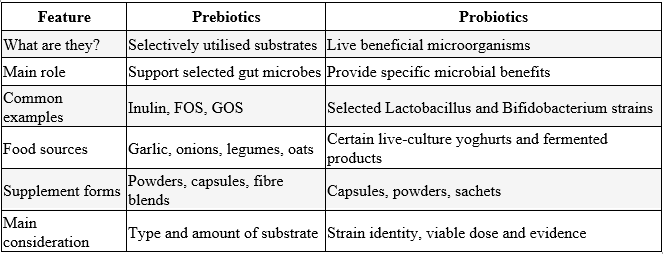
Neither is automatically better than the other. They serve different functions and may complement each other.
4. Best Food Sources of Prebiotics
You do not need expensive supplements to introduce prebiotic foods into your diet. Many are already part of traditional Indian eating patterns.
1. Garlic
Garlic contains inulin and fructooligosaccharides, which can be used by certain gut microorganisms.
Add fresh garlic to vegetables, dals, soups and cooked meals.
2. Onions
Onions provide prebiotic fibres, including fructooligosaccharides.
They are easy to incorporate into everyday Indian meals, salads and cooked vegetables.
3. Chickpeas
Chickpeas provide fibre, resistant starch, plant protein and several minerals.
Chana, hummus and chickpea salads are convenient ways to include them.
4. Lentils and beans
Masoor dal, moong dal, rajma and other pulses provide fermentable fibres and resistant starch.
They are particularly valuable because they combine gut-supporting fibre with plant protein.
5. Oats
Oats contain beta-glucan, a soluble fibre that supports bowel regularity and can be fermented by gut microorganisms.
6. Green bananas
Less-ripe bananas contain more resistant starch than fully ripe bananas.
This starch can reach the colon, where microorganisms ferment it.
7. Asparagus
Asparagus contains inulin and other fibres that can support selected gut microorganisms.
8. Flaxseeds and chia seeds
These seeds provide fibre and healthy fats. Ground flaxseeds are particularly useful for increasing dietary fibre intake.
9. Cooked-and-cooled rice and potatoes
Cooling cooked rice or potatoes increases the proportion of resistant starch through a process called retrogradation.
This resistant starch can be fermented in the large intestine.
Food safety is important: cool and refrigerate cooked rice promptly, keep it chilled and reheat it thoroughly when appropriate. Do not leave cooked rice at room temperature for extended periods.
5. Best Food Sources of Probiotics
Some fermented foods contain live microorganisms that may contribute to dietary microbial diversity.
However, it is important to distinguish between fermented foods and clinically demonstrated probiotic products.
A fermented food does not automatically qualify as a probiotic. To be classified as a probiotic, the live microorganisms must be adequately characterised and shown to provide a health benefit.
1. Yoghurt and curd
Plain yoghurt and dahi can provide live bacterial cultures, depending on how they are manufactured and stored.
Choose unsweetened options with live cultures.
2. Kefir
Kefir is a fermented dairy drink containing a diverse mixture of microorganisms.
It can provide protein, calcium and live cultures.
3. Kimchi
Kimchi is a traditional Korean fermented vegetable preparation, usually made with cabbage, spices and other vegetables.
It can contain live microorganisms when unpasteurised and properly stored.
4. Sauerkraut
Sauerkraut is fermented cabbage. Unpasteurised versions may contain live microorganisms, whereas pasteurisation can reduce or eliminate viable cultures.
5. Traditional fermented foods
Indian fermented foods such as idli and dosa batter can contain microorganisms involved in fermentation.
However, cooking destroys many live microorganisms, so cooked idli and dosa should not be assumed to provide the same live-culture benefits as a probiotic supplement.
Fitcart insight: Fermented foods can be valuable additions to a balanced diet, but their microbial composition and live-culture content vary. Variety and overall nutritional quality matter more than chasing a particular fermented food.
6. Can You Take Prebiotics and Probiotics Together?
Yes. In fact, combining them may offer complementary benefits.
Products containing both live microorganisms and substrates selectively utilised by microorganisms are known as synbiotics.
There are two broad approaches:
Complementary synbiotics: Combine a probiotic and prebiotic that can provide their respective benefits independently.
Synergistic synbiotics: Combine microorganisms and substrates specifically selected to work together.
A synbiotic is not necessarily more effective than a probiotic or prebiotic used alone. Its benefits depend on the particular formulation and clinical evidence.
An everyday example
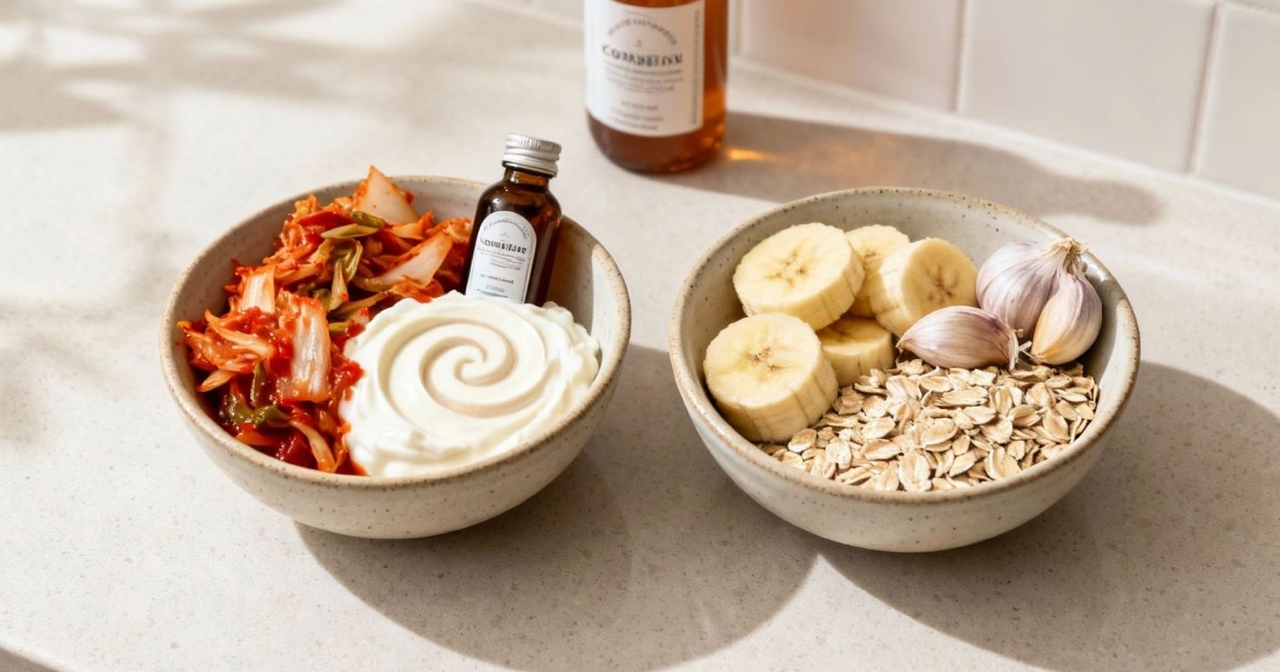
A bowl of plain yoghurt with oats, banana and ground flaxseeds combines:
- Live cultures from yoghurt, if present.
- Fibre from oats.
- Resistant starch from less-ripe banana.
- Fibre and ALA omega-3 from flaxseeds.
This makes a convenient, nutrient-rich combination of fermented food and fibre-containing ingredients.
It is not a guaranteed treatment for digestive problems, but it is a practical way to diversify your diet.
7. What Is the Difference Between Probiotics, Prebiotics, Synbiotics and Postbiotics?
Gut health science has expanded beyond the original two categories.
Understanding these terms helps consumers make better choices.
Probiotics: Live microorganisms that provide a health benefit when administered in adequate amounts.
Prebiotics: Substrates selectively used by microorganisms that provide a health benefit.
Synbiotics: Combinations of live microorganisms and substrates that together provide a health benefit.
Postbiotics: Preparations of inanimate microorganisms and/or their components that provide a health benefit.
Postbiotics are an emerging area of research. They are not simply another name for prebiotics or probiotics.
These distinctions are important when evaluating supplement labels and marketing claims.
8. Do You Need a Probiotic Supplement?
Not everyone needs a daily probiotic supplement.
For generally healthy individuals, a diverse diet containing fibre-rich foods and suitable fermented products may be a sensible starting point.
However, certain probiotic formulations have been studied for specific digestive circumstances.
Examples include:
- Certain strains for antibiotic-associated diarrhoea.
- Particular formulations for selected gastrointestinal symptoms.
- Certain strains of Saccharomyces boulardii in specific clinical situations.
The evidence is not universal. The American Gastroenterological Association’s clinical guidance recommends specific probiotic formulations in some circumstances and does not recommend routine probiotic use for several other gastrointestinal conditions without further evidence.
People with persistent digestive symptoms should seek medical assessment rather than attempting to treat an undiagnosed condition with probiotics.
9. How to Choose a Quality Probiotic Supplement
The quality of a probiotic supplement matters just as much as its ingredients.
When comparing products, look for the following:
1. Clearly identified strains
The product should identify the microorganisms at an appropriate level, ideally including genus, species and strain designation.
For example, identifying only Lactobacillus is not sufficient to establish that a particular clinical benefit applies.
2. CFU count
CFU stands for colony-forming units and indicates the number of viable microorganisms capable of forming colonies under specified test conditions.
Check whether the stated CFU count is guaranteed through the end of shelf life rather than only at the time of manufacture.
3. Storage requirements
Some probiotic products require refrigeration, while others are designed to remain stable at room temperature.
Follow the manufacturer’s storage instructions.
4. Manufacturing quality
Look for appropriate manufacturing controls, ingredient traceability and testing for product identity, purity and microbiological quality.
5. Evidence for the intended benefit
A product should be selected according to the specific strain and health outcome being considered, not simply the highest CFU number or the longest ingredient list.
10. How to Choose a Prebiotic Supplement
Prebiotic supplements can be useful for people who struggle to obtain sufficient fibre through food.
Common ingredients include inulin, FOS and GOS.
Before choosing one, consider:
- The specific fibre ingredient and quantity per serving.
- Whether the ingredient has evidence for the intended benefit.
- Digestive tolerance.
- Transparent ingredient labelling.
- Manufacturing and quality controls.
- Clear directions for use.
Start with a small amount and increase gradually if tolerated.
Some prebiotics can produce gas, bloating and abdominal discomfort, particularly in people with irritable bowel syndrome or sensitivity to fermentable carbohydrates.
More fibre is not necessarily better for everyone.
11. What About Fibre Supplements Such as Psyllium?
Psyllium husk deserves particular attention because it is a useful soluble fibre.
It absorbs water, forms a gel and can help regulate bowel movements.
Psyllium has evidence supporting its use for constipation and certain cholesterol-related outcomes.
However, it is important not to confuse all fibre supplements with prebiotics. Psyllium supports digestive function, but it is not interchangeable with established prebiotic ingredients such as inulin or GOS.
It should be taken with adequate water and may need to be separated from certain medications.
12. Signs Your Gut May Need Attention
Digestive symptoms can have many causes, and they should not automatically be attributed to an unhealthy microbiome.
Symptoms worth discussing with a healthcare professional include:
- Persistent bloating.
- Ongoing constipation or diarrhoea.
- Recurrent abdominal discomfort.
- Changes in bowel habits.
- Excessive gas.
- Food-related digestive symptoms.
These symptoms can be associated with conditions such as irritable bowel syndrome, coeliac disease, food intolerances, infections and inflammatory bowel disease.
A probiotic or prebiotic is not a substitute for identifying and treating the underlying cause.
13. A Simple Daily Gut-Friendly Eating Plan
You can support your gut through ordinary, affordable foods.
Breakfast
- Plain yoghurt or curd.
- Oats.
- Banana or kiwi.
- Ground flaxseeds.
Lunch
- Dal or chickpeas.
- Brown rice or wholegrain roti.
- Green vegetables.
- A serving of plain curd.
Afternoon snack
- Fruit.
- Almonds or walnuts.
Dinner
- Fish, chicken, tofu or paneer.
- Cooked vegetables.
- A suitable portion of whole grains or legumes.
Daily priorities
- Eat a variety of plant foods.
- Include fibre at every meal.
- Drink adequate water.
- Exercise regularly.
- Sleep consistently.
- Introduce fermented foods gradually if tolerated.
For people with digestive sensitivities, individual food choices may need adjustment.
The Fitcart Takeaway: Nourish Your Gut, Don’t Just Supplement It
Prebiotics and probiotics have different but complementary roles in digestive health.
Probiotics are selected live microorganisms that can provide health benefits, while prebiotics provide substrates that selected gut microorganisms use.
Both are important areas of nutritional science, but neither is a universal solution for every digestive concern.
For most people, the foundation of good gut health is a diverse diet containing vegetables, fruits, whole grains, legumes, nuts and seeds, alongside adequate protein, hydration, exercise and sleep.
When supplementation is appropriate, choose products with clearly identified ingredients, relevant scientific evidence, transparent labelling and responsible quality testing.
At Fitcart, we believe in a food-first approach, informed supplementation and science-backed health choices.
Good gut health starts with what you feed your microbiome.
Fitcart.com® – Evidence-Based Nutrition, Health and Wellness.
Important Health and Supplement Disclaimer
This article is intended for general educational and informational purposes only. It does not constitute medical advice, diagnosis or treatment and should not replace consultation with a qualified doctor, gastroenterologist or registered dietitian.
The health benefits of probiotics and prebiotics depend on the specific ingredients, microbial strains, formulation, dose, individual health status and available clinical evidence. Not all fermented foods or supplements qualify as probiotics, and not all dietary fibres meet the scientific definition of prebiotics.
Dietary supplements are not intended to diagnose, treat, cure or prevent disease. Probiotic and prebiotic supplements may cause digestive symptoms or interact with individual health circumstances. People who are immunocompromised, seriously ill or have significant underlying medical conditions should consult their healthcare professional before taking probiotic supplements.
Individuals with persistent digestive symptoms should seek appropriate medical evaluation rather than relying on supplements or restrictive diets.
Always read product labels, follow manufacturer instructions and check storage requirements. Supplement quality, ingredient identity, viability and batch testing should be assessed using appropriate documentation.
Fitcart Editorial Disclaimer: Information is provided for educational purposes and is not a substitute for individualised professional advice. Product availability, formulations and certifications may change. Always check current product information and relevant testing records before use.
Follow us on X: https://x.com/fitcartofficial and Instagram: https://www.instagram.com/fitcartofficial/ for the latest updates, health insights, and exclusive content.
Follow Smart Nutrition India X: https://x.com/SmartNutrition1 and Instagram: https://www.instagram.com/smartnutritionindia/ for trusted sports nutrition, supplement education, wellness tips, and the latest news from the world of health and performance.
Fitcart believes in True Play and Clean Sport
#trustedbrandsbetterhealth