


Suggested reading time: 12-15 minutes.
Fitcart Gut Health Series.
Author: Ritu Makhija.
Co-Founder, Fitcart.com.
Head of Editorial Team, Fitcart Blog.
Platform: Fitcart.com® | Health, Fitness, Nutrition and Wellness.
How nutrition, fibre, probiotics, prebiotics and evidence-based supplements help maintain a healthy gut barrier
Your gut is much more than a digestive system. It is an important part of your immune defence, nutrient absorption, metabolic health and communication between the digestive system and the brain.
One of the most remarkable facts about the human body is that the cells lining much of the intestine are continually renewed. In the small intestine, many epithelial cells have a lifespan of approximately 3–5 days before being replaced by new cells generated from specialised intestinal stem cells.
This process is essential for maintaining the intestinal lining, supporting nutrient absorption and protecting the body from potentially harmful substances.
But here is something equally important: the quality of this renewal depends on more than the body’s natural regenerative processes. Nutrition, gut bacteria, adequate protein, dietary fibre, micronutrients, lifestyle and overall health all contribute to maintaining a healthy intestinal environment.
So, can the food we eat influence gut health and the intestinal barrier?
The answer is yes, although the science is more complex than simply eating certain foods to repair the gut.
At Fitcart, we explore the connection between nutrition, digestive health, microbiome balance and evidence-based supplementation to help consumers make informed choices.
Let’s look at 15 foods worth including in your diet and the nutritional strategies that support a healthier gut.
1. Understanding the Gut Lining: Your Body’s Natural Protective Barrier
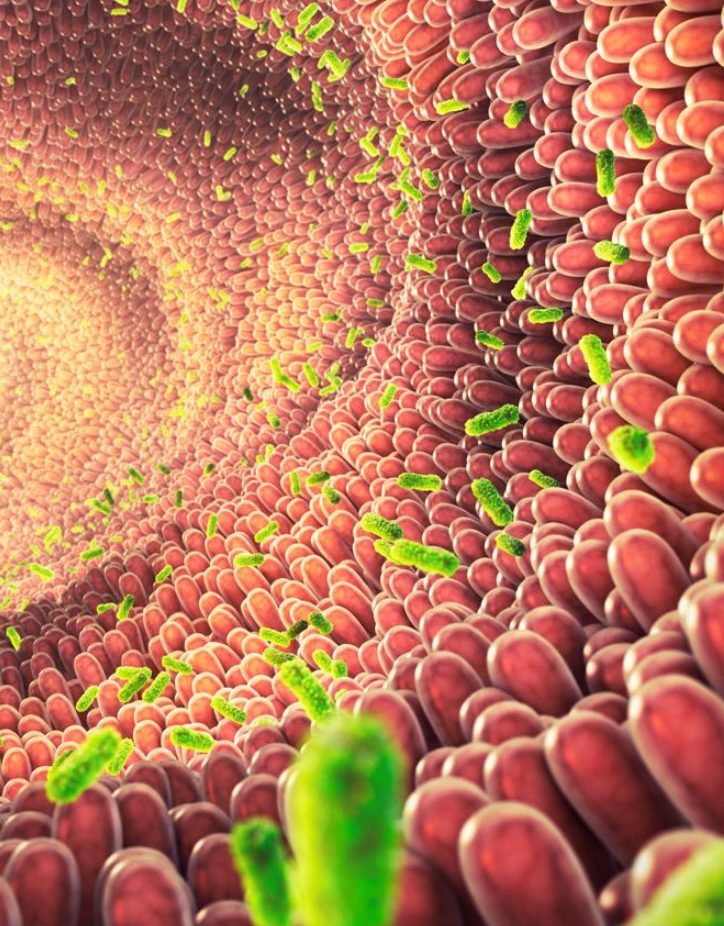
The intestinal lining, also known as the intestinal epithelium, is a specialised layer of cells that separates the contents of the digestive tract from the internal environment of the body.
It performs several important functions:
- Absorbs nutrients, vitamins, minerals and water.
- Helps prevent harmful microorganisms and unwanted substances from crossing into the body.
- Communicates with the immune system.
- Produces mucus that protects the intestinal surface.
- Maintains a controlled barrier through structures known as tight junctions between cells.
The intestinal lining is continually renewed by stem cells located in structures called intestinal crypts.
As new cells develop, they migrate towards the intestinal surface, mature and eventually shed. In much of the small intestine, this process takes approximately 3–5 days.
However, cell renewal is not the same as complete repair of the entire intestinal barrier. The mucus layer, immune defences, tight junctions and gut microbiome all contribute to intestinal health.
Why does this matter?
A healthy intestinal barrier helps the body absorb the nutrients it needs while maintaining an appropriate defence against potentially harmful substances.
When intestinal barrier function is disrupted, it may contribute to or accompany certain gastrointestinal and inflammatory conditions.
Maintaining a healthy gut environment is therefore an important part of overall health.
2. The Gut Microbiome: Why Your Bacteria Matter
Your digestive tract contains trillions of microorganisms, collectively known as the gut microbiome.
These include bacteria and other microorganisms that interact with the food we eat and influence several aspects of digestive and metabolic health.
A diverse and well-supported gut microbiome can contribute to:
- Breaking down dietary fibre.
- Producing short-chain fatty acids, including butyrate.
- Supporting the intestinal mucus barrier.
- Maintaining normal immune function.
- Supporting bowel regularity.
- Producing certain vitamins and bioactive compounds.
One particularly important short-chain fatty acid is butyrate.
Butyrate is produced when certain beneficial gut bacteria ferment dietary fibre. It serves as an important energy source for cells lining the colon and contributes to normal intestinal barrier function.
This is one reason why eating a variety of fibre-rich plant foods is so important.
A diet containing vegetables, fruit, legumes, nuts, seeds and whole grains helps provide the different types of fibre that gut bacteria use.
3. Fifteen Foods That Support Gut Health and Intestinal Function
No single food can rebuild or heal the entire gut lining. However, a varied diet rich in fibre, protein, vitamins, minerals and beneficial plant compounds provides the nutritional foundations for normal intestinal function.
Here are 15 foods worth including regularly.
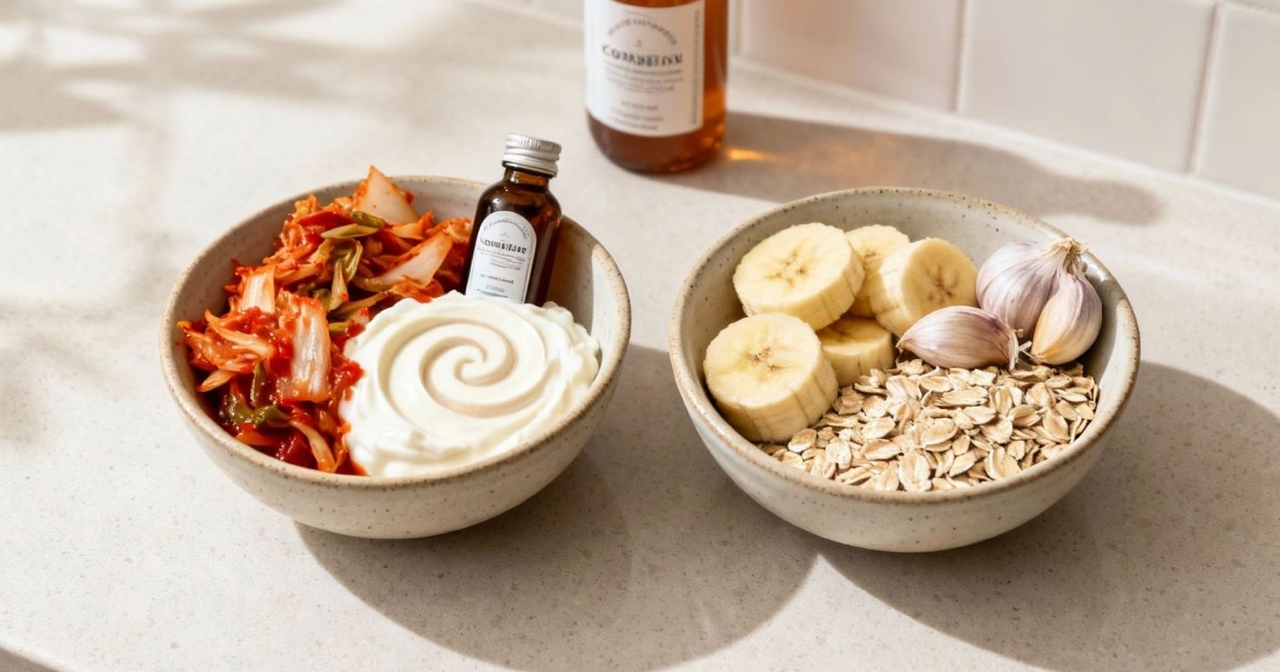
1. Kiwi – Fibre and Digestive Health
Kiwi is an excellent source of vitamin C, dietary fibre and plant compounds.
Research suggests that eating two green kiwis daily may improve bowel regularity and stool consistency in some people.
Kiwi also contains actinidin, an enzyme that helps break down certain dietary proteins.
Why include it?
- Supports bowel regularity.
- Provides vitamin C for normal collagen formation.
- Supplies fibre for gut bacteria.
- Contributes to overall digestive health.
2. Yoghurt and Curd – Beneficial Live Cultures
Yoghurt containing live cultures can provide beneficial microorganisms.
Certain bacterial cultures may support lactose digestion and offer other digestive benefits, although effects depend on the specific strains and product.
In India, plain dahi is an accessible option. Choose unsweetened yoghurt or curd and check whether live cultures are present.
Why include it?
- Provides protein and calcium.
- Can supply live bacterial cultures.
- Supports dietary diversity.
- Offers a convenient addition to everyday meals.
3. Kefir – A Fermented Dairy Food
Kefir is a fermented milk drink containing a diverse community of microorganisms.
Depending on how it is manufactured, it can contain several bacterial and yeast species.
It may be useful as part of a varied diet, although individual benefits depend on the product and microorganisms present.
Why include it?
- Provides protein and calcium.
- Contains fermentation-derived microorganisms.
- Offers an alternative to conventional yoghurt.
4. Oats – A Valuable Source of Beta-Glucan
Oats contain beta-glucan, a soluble fibre that can be fermented by gut bacteria.
Fibre helps support bowel regularity and can contribute to the production of beneficial short-chain fatty acids.
Oats also support healthy cholesterol levels and provide sustained carbohydrate energy.
Why include them?
- Support digestive regularity.
- Provide prebiotic-type fermentable fibre.
- Help support healthy cholesterol levels.
- Provide magnesium and other micronutrients.
5. Garlic – Natural Prebiotic Compounds
Garlic contains inulin and fructooligosaccharides, which can act as prebiotic substrates.
Prebiotics are substances used by beneficial microorganisms in the gut.
Garlic also contains sulphur-containing compounds and other bioactive plant chemicals.
Why include it?
- Supplies prebiotic fibres.
- Adds dietary variety.
- Contains naturally occurring bioactive compounds.
6. Onions – Feeding Beneficial Gut Bacteria
Onions are another source of inulin and fructooligosaccharides.
These fermentable fibres help nourish certain beneficial gut microorganisms.
Regularly including onions in meals can contribute to overall fibre intake.
7. Bananas – Convenient Fibre and Resistant Starch
Bananas provide soluble fibre, potassium and carbohydrates.
Less-ripe bananas contain more resistant starch, which can reach the colon and be fermented by gut bacteria.
The amount of resistant starch changes as bananas ripen.
Why include them?
- Provide fermentable carbohydrates.
- Support bowel regularity.
- Supply potassium.
- Offer convenient energy.
8. Lentils – Protein, Fibre and Essential Minerals
Lentils are particularly valuable for Indian diets.
They provide plant protein, dietary fibre, iron, folate and other essential nutrients.
Their fibre can be fermented by gut bacteria, contributing to short-chain fatty acid production.
Why include them?
- Support gut microbial diversity.
- Provide plant protein.
- Contribute to iron and folate intake.
- Help support satiety and digestive regularity.
9. Chickpeas – Prebiotic Fibre and Plant Protein
Chickpeas contain resistant starch and fermentable fibres.
They are also a good source of plant protein, magnesium, iron and folate.
Include them in salads, hummus, chana masala or other balanced meals.
10. Broccoli and Cruciferous Vegetables
Broccoli, cabbage, cauliflower and Brussels sprouts provide fibre and naturally occurring glucosinolates.
These vegetables contribute to dietary diversity and provide nutrients and plant compounds involved in normal cellular processes.
Why include them?
- Provide dietary fibre.
- Support a diverse plant-rich diet.
- Supply vitamin C, folate and other micronutrients.
- Contribute to overall metabolic and digestive health.
11. Leafy Green Vegetables
Spinach, methi, amaranth and other leafy vegetables provide fibre, folate, magnesium and several other micronutrients.
Their contribution to overall nutrient intake makes them valuable additions to a gut-friendly eating pattern.
12. Berries – Polyphenols and Antioxidants
Blueberries, strawberries, raspberries and other berries contain polyphenols and dietary fibre.
Some polyphenols are metabolised by gut microorganisms, while certain fibre components can be fermented in the colon.
Why include them?
- Supply antioxidant compounds.
- Provide fibre.
- Contribute to plant diversity.
- Support an overall nutrient-rich diet.
13. Flaxseeds and Chia Seeds – Fibre and Healthy Fats
Both flaxseeds and chia seeds provide fibre and plant-based omega-3 fatty acids in the form of alpha-linolenic acid (ALA).
Ground flaxseeds are particularly useful because grinding makes their nutrients more accessible.
Why include them?
- Provide soluble and insoluble fibre.
- Support bowel regularity.
- Supply ALA omega-3.
- Add variety to the gut microbiome’s food supply.
- Start with small quantities if your usual fibre intake is low.
14. Nuts – Nutrients for Gut and Metabolic Health
Almonds, walnuts and other nuts provide fibre, unsaturated fats, magnesium and plant compounds.
They can contribute to a diverse dietary pattern and provide nutrients that support general health.
Walnuts also contain ALA omega-3 fatty acids.
15. Fatty Fish – Protein and Omega-3
Salmon, sardines, mackerel and other oily fish provide high-quality protein and the omega-3 fatty acids EPA and DHA.
These nutrients have important roles in normal cell membrane structure and physiological signalling.
Fish is not a direct gut-lining repair treatment, but it provides valuable nutrients as part of a balanced diet.
Why include it?
- Supplies high-quality protein.
- Provides EPA and DHA.
- Contributes to normal muscle maintenance.
- Supports overall cardiovascular and nutritional health.
4. The Nutrients Your Gut Needs for Normal Renewal
Beyond individual foods, several nutrients play important roles in maintaining normal intestinal function.
Protein and amino acids
The intestinal lining is made up of cells that require amino acids for growth, maintenance and normal turnover.
Adequate protein intake is therefore important.
Good sources include:
- Eggs.
- Fish and poultry.
- Milk, yoghurt and paneer.
- Lentils and chickpeas.
- Tofu and soy products.
- Whey and plant protein supplements.
Glutamine is an amino acid used as an energy source by intestinal cells. However, despite promising biological mechanisms, routine glutamine supplementation has not been established as a gut-repair treatment for healthy people.
Zinc
Zinc contributes to normal protein synthesis, cell division and immune function.
Good food sources include eggs, seafood, meat, dairy, legumes, pumpkin seeds and nuts.
Vitamin A
Vitamin A contributes to the maintenance of normal mucous membranes and immune function.
Sources include carrots, sweet potatoes, spinach, eggs and dairy.
Vitamin C
Vitamin C contributes to normal collagen formation and protects cells against oxidative stress.
Sources include amla, guava, kiwi, citrus fruits, berries and capsicum.
Vitamin D
Vitamin D contributes to normal immune function and several other physiological processes.
Fatty fish, eggs and fortified foods provide some vitamin D. Supplementation may be appropriate when intake is inadequate or deficiency is identified.
Omega-3 fatty acids
EPA and DHA are involved in normal cell membrane structure and inflammatory signalling. Oily fish is a particularly useful dietary source.
The important message is that adequate overall nutrition matters more than taking large quantities of individual nutrients.
5. Supplements That May Support Gut Health
Food should always form the foundation of a healthy digestive system. However, selected supplements can be useful in certain circumstances.
The evidence varies considerably between ingredients, formulations and individual health conditions.
1. Probiotics
Probiotics are live microorganisms that provide a health benefit when administered in adequate amounts.
Certain strains have been studied for digestive conditions, including some forms of antibiotic-associated diarrhoea and specific gastrointestinal symptoms.
However, probiotic benefits are strain-specific. Not every probiotic product provides the same effects.
When evaluating a probiotic, consider:
- Clearly identified bacterial strains.
- Viable microorganism count through the end of shelf life.
- Appropriate storage conditions.
- Manufacturing quality and product stability.
- Evidence supporting the specific intended use.
A higher CFU count does not automatically mean a better product.
2. Prebiotic Fibre
Prebiotics provide substrates that beneficial gut microorganisms can use.
Examples include:
- Inulin.
- Fructooligosaccharides (FOS).
- Galactooligosaccharides (GOS).
- Certain resistant starches.
Prebiotic supplements may help increase fibre intake, but some can cause gas, bloating and discomfort, particularly in people with irritable bowel syndrome or sensitivity to fermentable carbohydrates.
Introduce them gradually and select an appropriate product.
3. Psyllium Husk
Psyllium is a soluble fibre that absorbs water and forms a gel.
It has evidence supporting its use for constipation and certain bowel-regulation needs.
It can be particularly useful when dietary fibre intake is insufficient.
Take it with adequate water and separate it from certain medicines according to professional advice.
4. L-Glutamine
Glutamine is an amino acid used by intestinal cells and involved in several metabolic processes.
It has been investigated in clinical research involving intestinal permeability and gastrointestinal disorders.
However, evidence is mixed, and it should not be promoted as a universally effective treatment for leaky gut or intestinal damage.
Supplementation should be considered in the context of individual medical needs.
5. Omega-3 Fish Oil
EPA and DHA contribute to normal cell membrane structure and inflammatory signalling.
Fish oil may be useful for people who do not consume sufficient oily fish.
However, it is not a proven standalone treatment for intestinal permeability or gut-lining damage.
6. Vitamin D and Zinc
Both nutrients support normal immune function.
Deficiencies can affect health, and correcting an identified deficiency is important.
However, taking additional amounts beyond nutritional requirements has not been established as a way to accelerate intestinal regeneration.
7. Protein Supplements
Adequate protein is important for tissue maintenance and normal cell renewal.
Whey, casein, soy and suitable plant protein powders can help individuals meet their daily protein requirements.
They are particularly useful for active individuals and those who struggle to obtain sufficient protein through food.
Protein supplementation should complement, rather than replace, a balanced diet.
6. What Can Damage or Disrupt Gut Health?
Gut health is influenced by several factors, not just diet.
Potential contributors to digestive disturbances or impaired intestinal barrier function include:
- Gastrointestinal infections.
- Certain inflammatory bowel diseases.
- Coeliac disease.
- Some medications, including prolonged or frequent NSAID use.
- Antibiotic exposure and its effects on the microbiome.
- Excessive alcohol consumption.
- Smoking.
- Inadequate nutritional intake.
- Certain restrictive diets.
- Chronic illness and physiological stress.
It is important not to assume that bloating, fatigue, skin problems or food sensitivities automatically indicate a condition called leaky gut.
Increased intestinal permeability is a real physiological phenomenon, but it should be interpreted in the context of recognised medical conditions and appropriate clinical assessment.
There is no universal gut detox, cleanse or supplement protocol that repairs all digestive problems.
7. Five Daily Habits That Support a Healthy Gut
Nutrition works best alongside consistent lifestyle habits.
1. Eat a variety of plant foods
Include vegetables, fruit, legumes, whole grains, nuts and seeds. Different fibres feed different microbial communities.
2. Increase fibre gradually
If you currently eat very little fibre, increase your intake slowly. A sudden increase may cause bloating and gas.
3. Include adequate protein
Protein provides amino acids required for normal tissue maintenance, muscle health and cell renewal.
4. Move regularly
Walking, resistance training and regular physical activity support metabolic health and can help bowel function.
5. Prioritise sleep and stress management
Sleep and stress influence digestive function and gut-brain communication. Maintain regular sleep habits and make time for recovery.
8. A Practical Indian Gut-Friendly Daily Meal Plan
A healthy gut diet does not need expensive imported foods or complicated supplement routines.
Here is an example of how to combine traditional Indian foods with evidence-based nutritional principles.
Breakfast
- Oats with plain yoghurt or milk.
- One kiwi or seasonal fruit.
- Ground flaxseeds or chia seeds.
Mid-morning
- Guava, papaya or another seasonal fruit.
- A small handful of almonds or walnuts.
Lunch
- Dal, chickpeas or rajma.
- Brown rice or wholegrain roti.
- Spinach, broccoli or mixed vegetables.
- Plain curd.
Afternoon snack
- Unsweetened yoghurt or kefir.
- A small serving of fruit.
Dinner
- Grilled fish, chicken, tofu or paneer.
- Cooked vegetables.
- Wholegrain roti or another suitable carbohydrate.
- A small serving of fermented food if tolerated.
Daily habits
- Drink sufficient water.
- Walk regularly.
- Include strength training.
- Eat a variety of plant foods.
- Maintain consistent sleep.
Individual portions and fibre choices should be adjusted for energy requirements, digestive tolerance and existing medical conditions.
9. How Long Does It Take to Improve Gut Health?
Although many intestinal epithelial cells renew within approximately 3–5 days, this does not mean that gut health can be completely transformed in three to five days.
The microbiome, digestive function, bowel habits and intestinal barrier are influenced by several interacting processes.
Some people may notice changes in bowel regularity within days of adjusting their fibre intake, while changes in dietary patterns and microbial composition may take weeks or longer.
The timeline depends on:
- Existing diet and fibre intake.
- Baseline gut microbiome.
- General health.
- Medical conditions.
- Medications.
- Sleep and lifestyle.
- Individual digestive tolerance.
Consistency is more important than short-term cleanses or restrictive diets.
The Fitcart Takeaway: Feed Your Gut, Support Your Health
Your intestinal lining is one of the body’s most remarkable self-renewing tissues. Its cells are continually replaced, helping maintain the barrier that separates the digestive tract from the rest of the body.
But healthy gut function involves much more than rapid cell renewal.
It depends on the interaction between nutrition, intestinal cells, mucus, immune function and the trillions of microorganisms living in your digestive tract.
A diverse, fibre-rich diet containing fruits, vegetables, legumes, whole grains, fermented foods, nuts, seeds and adequate protein provides an excellent foundation.
Selected supplements, including probiotics, prebiotic fibres and psyllium, may offer additional benefits when appropriately chosen for individual needs.
At Fitcart, we believe in a food-first approach supported by evidence-based supplementation, transparent ingredients and responsible product quality.
Feed your gut. Nourish your microbiome. Support your body’s natural renewal processes.
Fitcart.com® – Evidence-Based Nutrition, Health and Wellness.
Health and Supplement Disclaimer
This article is intended for general educational and informational purposes only. It does not constitute medical advice, diagnosis or treatment and should not replace consultation with a qualified doctor, gastroenterologist or registered dietitian.
The intestinal lining undergoes continuous natural renewal, but the rate of cell turnover does not establish that a particular food or supplement can repair intestinal damage within 3–5 days.
The foods and nutrients discussed support normal nutritional and physiological functions. They are not proven treatments for inflammatory bowel disease, coeliac disease, intestinal permeability disorders, infections or other gastrointestinal conditions.
Probiotic and prebiotic benefits vary according to strain, formulation, dose, individual microbiome and health status. Not all products marketed for gut health have established clinical benefits.
Dietary supplements are not intended to diagnose, treat, cure or prevent disease. Supplement requirements and safety vary between individuals. Some ingredients may cause digestive symptoms or interact with medicines.
Consult a healthcare professional before starting supplementation, particularly if you have an existing gastrointestinal condition, take medication, are pregnant or breastfeeding, or are immunocompromised. People with serious illness or weakened immunity should seek medical advice before using probiotic supplements.
Persistent diarrhoea, blood in stools, unexplained weight loss, severe abdominal pain, ongoing vomiting or other concerning digestive symptoms require medical assessment.
Fitcart Editorial Disclaimer: Information is provided for educational purposes and is not a substitute for individualised professional advice. Always check the current product label, ingredient list, manufacturer information and applicable quality-testing records before use.
Follow us on X: https://x.com/fitcartofficial and Instagram: https://www.instagram.com/fitcartofficial/ for the latest updates, health insights, and exclusive content.
Follow Smart Nutrition India X: https://x.com/SmartNutrition1 and Instagram: https://www.instagram.com/smartnutritionindia/ for trusted sports nutrition, supplement education, wellness tips, and the latest news from the world of health and performance.
Fitcart believes in True Play and Clean Sport
#trustedbrandsbetterhealth