



Recent research shows something quite amazing: the environment we live in plays a significant role in shaping our gut health – and in turn, our overall well-being.
Article by Fitcart.com
Our gut is home to trillions of tiny microbes (bacteria, fungi, and more) that aid in digestion, bolster our immune system, and even influence our mood. Collectively, these microbes constitute what is known as the gut microbiome. A healthy, balanced gut microbiome is associated with improved digestion, reduced inflammation, enhanced immunity, and even mental health benefits.
But here’s the interesting part: the world around us can significantly influence our gut health in powerful ways.
1. Nature Aids in Building a Healthy Gut
Studies have shown that people, particularly children, who spend more time in nature tend to have more diverse and healthier gut bacteria. Growing up in a home near green spaces – such as parks, forests, or even gardens – can help children develop a stronger gut microbiome.
That’s because natural environments expose us to a wider variety of microbes that help “train” our gut and immune system. The greater the diversity of exposure, the more diverse the gut – and that’s a good thing!
2. Pollution and chemicals can harm the gut.
On the flip side, living in areas with heavy traffic, air pollution, or exposure to harmful chemicals (like pesticides or heavy metals) can disrupt the balance of gut bacteria. This imbalance, known as dysbiosis, may lead to issues such as inflammation, poor digestion, and an increased risk of chronic diseases like diabetes or obesity.
Polluted air and water, processed foods, and even the cleaning products we use can all influence our gut over time.
3. What’s Inside Our Homes Matters, Too
It’s not just the outdoors; the indoor environment – things like having pets, houseplants, and even the cleanliness of your home – can also influence gut health. Homes with dogs, for example, tend to have more varied microbes in the air and on surfaces, which can be shared with our gut in small amounts to help build resilience.
4. The Gut, the Brain, and Your Mood
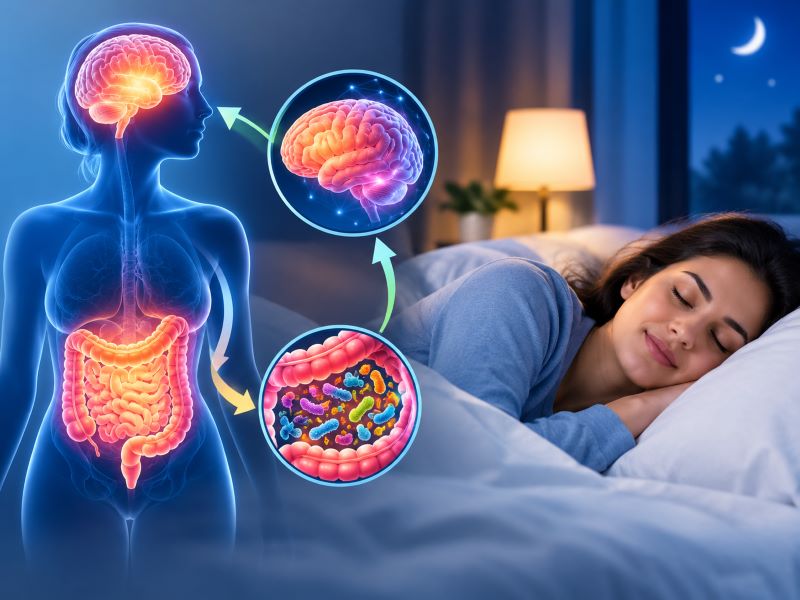
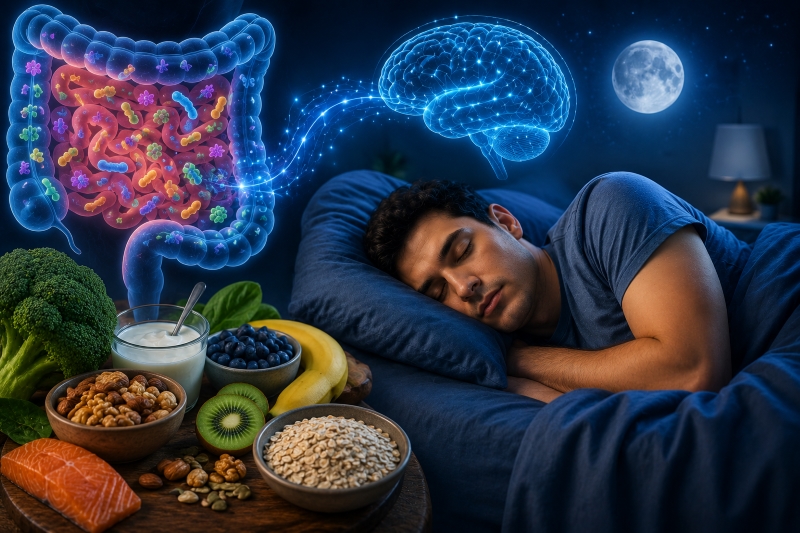
Our gut and brain are closely interconnected through what is known as the gut-brain axis. This means that a healthy gut not only aids in digestion but can also enhance our mood and alleviate stress. Conversely, living in a stressful or polluted environment can adversely impact both gut health and mental well-being simultaneously.
5. Healthy Soil, Healthy Food, Healthy Gut
Even the soil in which our food is grown matters. Healthier soil contains more microbes and nutrients, meaning fruits and vegetables from that soil may be better for our gut. However, climate change and modern farming practices are diminishing soil health, which could negatively impact our own microbiomes.
What can you do?
- Spend more time in nature – take walks, garden, or play outside.
- Consume fresh, whole foods – particularly fruits, vegetables, and fermented foods.
- Reduce chemical use – by opting for natural cleaners and avoiding unnecessary antibiotics.
- Incorporate some greenery – by bringing houseplants into your home and opening windows whenever possible.
- Get a pet – if it fits your lifestyle, pets can enhance both happiness and microbial diversity!
In a nutshell, where you live, what you breathe, and even who you spend time with all shape your gut—and your gut shapes your health. The more we understand these connections, the better we can make everyday choices that support a healthy gut and a healthier life.
Fitcart believes in True Play and Clean Sport.
#trustedbrandsbetterhealth