



Reading Time: 10 minutes.
Author: Ritu Makhija.
Co-Founder, Fitcart.com.
Head of Editorial Team, Fitcart Blog.
Hormone-related nutrition advice is everywhere.
“Eat this food to increase estrogen.”
“Try this ingredient to boost progesterone.æ
“Eat these foods to increase testosterone.”
“Lower your cortisol naturally with these foods.”
But the human endocrine system is much more complicated than a list of “hormone-balancing foods.”
Food can provide the energy, protein, fats, vitamins, minerals and plant compounds needed for normal physiological function. Diet can also influence body composition, metabolic health, and inflammation.
However, no single food can instantly balance your hormones.
A better approach is to understand how nutrition may support normal hormonal function.
What Does Hormone Balance Actually Mean?
Your body produces and regulates hormones through complex feedback systems involving the brain, endocrine glands, and reproductive organs.
Hormone levels naturally change according to:
- Age
- Sex
- Menstrual cycle
- Pregnancy
- Menopause
- Sleep
- Stress
- Energy intake
- Exercise
- Body composition
- Medical conditions
- Medications
This is why a food that appears to affect one hormone in a laboratory study does not necessarily produce the same effect when eaten as part of an everyday diet.
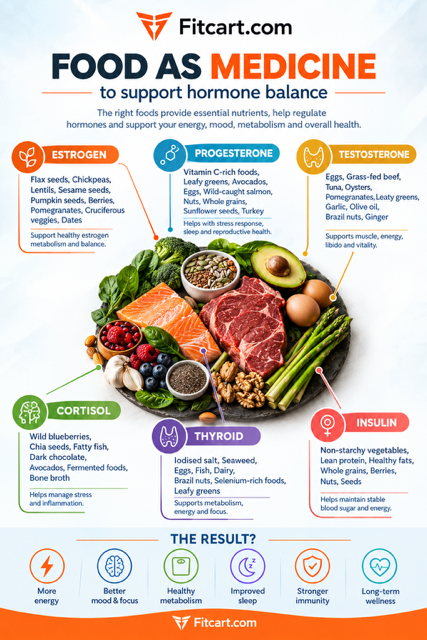
Estrogen-Supportive Foods: Think Phytoestrogens
Plants do not provide human estrogen in the same way the human body produces it.
However, some plant foods contain compounds called phytoestrogens.
These compounds can interact with estrogen receptors, although their effects are not identical to human estrogen.
Some important dietary sources include:
- Soybeans
- Tofu
- Tempeh
- Soy milk
- Flaxseed
- Sesame seeds
- Chickpeas
- Lentils
- Other legumes
Soy is particularly rich in isoflavones, while flaxseed provides lignans. These are among the best-studied dietary phytoestrogens. Do Phytoestrogens Increase Estrogen?
Not necessarily.
Phytoestrogens can have estrogen-like or anti-estrogenic effects depending on the compound, dose, tissue, and individual characteristics.
Research in humans has produced mixed results, so it is misleading to tell people that eating soy or flaxseed simply “raises estrogen.”
For most people, the more useful takeaway is that soy, legumes, seeds, and other plant foods can be part of a nutritious dietary pattern.
What About Progesterone-Rich Foods?
This is where online nutrition advice becomes particularly misleading.
There is no everyday food that works like progesterone medication.
Your body produces progesterone through its own hormonal pathways.
Rather than searching for a single “progesterone food,” focus on adequate overall nutrition. That means getting enough:
- Protein
- Healthy fats
- Complex carbohydrates
- Vitamins and minerals
- Fibre
- Overall calories
Severe calorie restriction, undernutrition, and excessive training can interfere with reproductive health.
So when it comes to progesterone and reproductive hormones, adequate nourishment is more important than chasing a particular ingredient.
Foods for Testosterone Health
Testosterone is another hormone frequently discussed in relation to food.
Eggs, oysters, nuts, seeds, fish, and other foods are often marketed as testosterone boosters.
Some of these foods contain nutrients involved in normal physiological function, including zinc, magnesium, protein, and healthy fats.
But eating one particular food does not guarantee a clinically meaningful increase in testosterone.
A better strategy is to support the overall factors associated with healthy endocrine function.
Nutrients to Include
Zinc
Sources include seafood, meat, dairy, legumes, nuts, and seeds.
Magnesium
Good sources include nuts, seeds, beans and whole grains.
Protein
Include eggs, dairy, fish, poultry, meat, soy foods, or legumes according to your dietary preferences.
Healthy fats
Nuts, seeds, olive oil and oily fish can provide beneficial unsaturated fats.
Vitamin D
Vitamin D status is important for overall health, although supplementation should be based on individual needs rather than the assumption that everyone requires high doses.
What About Cortisol?
Cortisol is often called the “stress hormone.” But cortisol is essential.
It helps regulate metabolism, blood pressure, immune activity, and the body’s response to stress.
The goal is therefore not to eliminate cortisol or drive it as low as possible.
The goal is healthy regulation.
Instead of looking for a single “cortisol-lowering food,” think about an overall dietary pattern that supports metabolic and cardiovascular health.
Foods That Can Support a Stress-Resilient Diet
Consider regularly including:
- Fatty fish such as salmon and sardines
- Nuts and seeds
- Berries and other fruits
- Leafy green vegetables
- Beans and lentils
- Whole grains
- Extra-virgin olive oil
- Fermented foods if tolerated
- Unsweetened cocoa or dark chocolate in moderate amounts
These foods provide combinations of protein, fibre, healthy fats, vitamins, minerals, and plant compounds.
The overall dietary pattern matters more than any single ingredient.
Can a Mediterranean-Style Diet Affect Cortisol?
Research is beginning to investigate this question.
A randomized dietary intervention found that Mediterranean-style diets were associated with changes in morning cortisol, with the strongest effects reported in a higher-polyphenol version of the diet. This should not be interpreted as evidence that a particular food can “switch off” cortisol.
Instead, it adds to the broader picture that dietary patterns may influence metabolic and stress-related physiology.
Don’t Forget Sleep
Food is only one part of hormonal health. Sleep also matters.
Poor sleep can influence appetite, stress responses, glucose regulation, and other physiological systems.
If your goal is better hormonal health, consider the entire lifestyle:
- Eat adequately and consistently.
- Prioritise protein and fibre.
- Include a variety of plant foods.
- Exercise regularly.
- Get sufficient sleep.
- Manage chronic stress.
- Limit excessive alcohol.
- Avoid extreme dieting.
- Maintain a healthy body composition.
A Simple Hormone-Supportive Meal Pattern
You don’t need a complicated meal plan. A simple plate can include:
Protein + vegetables or fruit + high-fibre carbohydrate + healthy fat
For example:
Breakfast:
Greek yogurt or soy yogurt with berries, ground flaxseed and walnuts.
Lunch:
Dal or chickpeas with vegetables, brown rice or roti and curd.
Snack:
Fruit with nuts or seeds.
Dinner:
Fish, tofu or paneer with vegetables and whole grains.
The goal is variety and adequate nourishment—not a perfect hormone-balancing menu.
Should You Avoid Soy?
For most people, there is no reason to treat normal amounts of traditional soy foods such as tofu, tempeh, or soy milk as inherently harmful.
Research on dietary phytoestrogens is complex, and effects vary according to the type and amount consumed, individual characteristics, and physiological state. As with any food, individual medical circumstances matter.
People with specific medical conditions or concerns about endocrine health should discuss their diet with a qualified healthcare professional.
What About “Hormone Detoxes”?
Your body already has systems responsible for metabolising and eliminating hormones and their metabolites.
You do not need a special juice cleanse or supplement detox to make your endocrine system work.
In most cases, a better strategy is:
adequate nutrition + regular exercise + good sleep + stress management + appropriate medical care.
When Should You Get Your Hormones Checked?
Persistent symptoms should not automatically be blamed on food or lifestyle.
Consider speaking with a healthcare professional if you experience symptoms such as:
- Persistent menstrual irregularities
- Unexplained fertility problems
- Significant changes in libido
- Erectile difficulties
- Unexplained weight changes
- Persistent fatigue
- New or unusual hair growth or hair loss
- Symptoms suggestive of thyroid problems
Hormonal conditions often require proper history, examination and laboratory testing.
The Fitcart Takeaway
There are no magical foods that instantly increase estrogen, progesterone or testosterone—or switch cortisol off.
But a nutrient-dense diet can provide the energy and nutrients needed for normal physiological function.
Instead of asking, “What one food balances my hormones?” ask:
“Does my overall diet support my health?”
That question is much more likely to lead to sustainable results.
Nutrition & Wellness Disclaimer
This article is intended for general educational and informational purposes only and does not constitute medical, nutritional or hormonal treatment advice. Hormone levels are influenced by numerous factors, including age, genetics, sex, sleep, stress, nutrition, medications and medical conditions. Food should not be used as a substitute for prescribed medical treatment or hormone therapy. If you have persistent hormonal, reproductive, or metabolic symptoms, consult a qualified healthcare professional before making significant dietary or supplement changes.
Follow us on X: https://x.com/fitcartofficial and Instagram: https://www.instagram.com/fitcartofficial/ for the latest updates, health insights, and exclusive content.
Follow Smart Nutrition India X: https://x.com/SmartNutrition1 and Instagram: https://www.instagram.com/smartnutritionindia/ for trusted sports nutrition, supplement education, wellness tips, and the latest news from the world of health and performance.
Fitcart believes in True Play and Clean Sport
#trustedbrandsbetterhealth